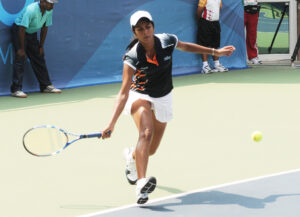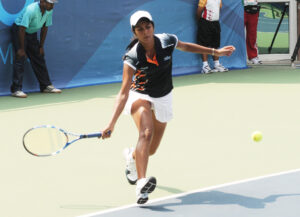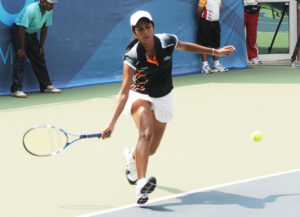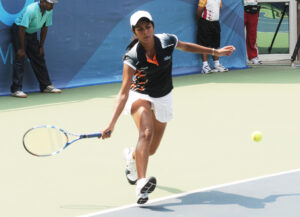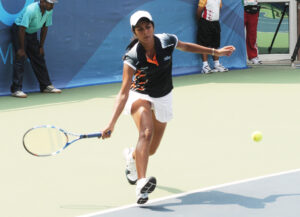



When Alex Eala walked onto the grass at the All England Club, she carried more than her own ambitions. Ranked outside the world’s top 50 and still only 20, the Filipina had already rewired expectations earlier in 2025 at the Miami Open, where she beat reigning Grand Slam champions on her way to a WTA 1000 semi-final — the first player from her country to go that deep at that level. By the time she reached Wimbledon, a nation that had spent generations debating point guards and southpaws was suddenly arguing about second serves and slice backhands.
Tennis in the Philippines was long a country-club pursuit, played behind gated walls and priced beyond the reach of most families. Eala’s rise has cracked that image open. In a country where Manny Pacquiao and PBA basketball dominate every sports bar and jeepney radio, a young woman with a two-handed backhand has become appointment viewing — and, for thousands of children, a reason to pick up a racket for the first time.
From a country club sport to a national obsession
For decades, tennis in the Philippines sat at the margins of the national conversation. Basketball is played on every street corner, hoops nailed to lamp posts and church walls; boxing gave the country its greatest global champion in Pacquiao. Tennis, by contrast, meant membership fees, imported gear and coaching that few could afford. The sport produced respected Davis Cup players but no crossover star capable of pulling a casual fan away from a Ginebra game.
Eala changed the maths. Her matches now draw crowds to shopping-mall viewing parties and light up group chats at hours when most of the country is asleep. Local federations report a surge of enquiries at public courts, and coaches describe waiting lists for junior clinics that did not exist two years ago. The barrier was never interest — it was visibility and access. A relatable champion has supplied the first; grassroots demand is now pressing on the second.
The making of a breakthrough
None of this happened by accident. Eala left home as a teenager to train at the Rafa Nadal Academy in Mallorca, the kind of long-term investment that has historically been out of reach for Filipino talent. She won junior Grand Slam titles, including the US Open girls’ singles, before grinding through the professional tour’s lower rungs — the ITF circuit, qualifying draws and the unglamorous bus-and-budget-hotel reality that precedes any ranking climb.
Her 2025 Miami run was the inflection point. Toppling elite opposition on a global stage, she proved the results were not a fluke but a trajectory. What separates Eala from previous Filipino hopefuls is the combination of pedigree, professional infrastructure and a temperament that reads as unhurried under pressure. She plays with the composure of someone who expects to win, and that belief has proved contagious back home.
- Age: 20, among the youngest players inside the world’s top ranks
- Training base: Rafa Nadal Academy, Mallorca
- Junior pedigree: Grand Slam girls’ singles champion
- Breakthrough: First Filipino to reach a WTA 1000 semi-final (Miami, 2025)
What Eala’s rise means for Philippine tennis
The significance stretches beyond one player’s ranking. A single breakout star can reshape a sport’s economics: sponsors who once ignored tennis are now weighing the value of association, and equipment brands see a market where none seemed to exist. If that money reaches public courts and junior programmes rather than pooling at the elite level, the effect could outlast Eala’s own career.
History offers a caution as well as a promise. Individual sports live and die by their icons; when a nation’s interest hinges on one athlete, a dip in form or a long injury can drain momentum quickly. The task facing Philippine tennis is to convert this moment into structure — accessible coaching, affordable courts and a pathway that does not require a family to fund a move to Europe.
For now, though, the country is enjoying the ride. A sport once locked behind club gates has been handed a face that ordinary Filipinos recognise as one of their own. Whether Eala goes on to win a major or settles as a steady tour presence, she has already done something no marketing campaign could: made a basketball-and-boxing nation care, genuinely, about tennis.

Sports journalist and editor at SportsPortal.net. Covers cricket, football, Formula 1, tennis, and basketball with a focus on how global sports connect with Pakistani audiences. Follows the PSL, Pakistan national cricket team, Premier League, and major international tournaments. Has reported on sports for digital audiences since 2021.
1069 articles published