

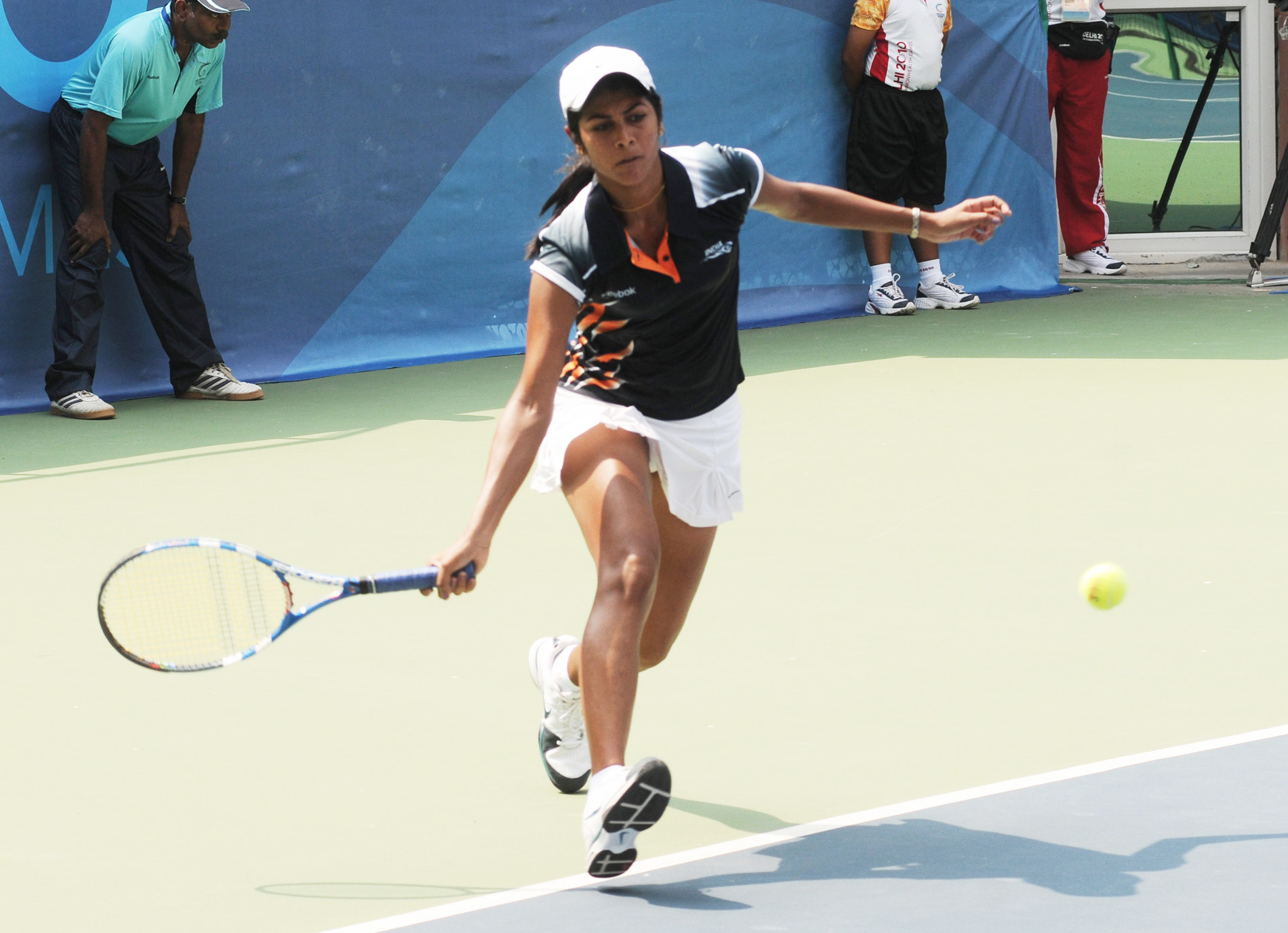
Jack Draper has withdrawn from another tournament on the eve of competition, the 23-year-old citing continuing problems with the arm injury that has repeatedly interrupted the most productive period of his career. It is the latest setback for a player who broke into the world’s top 10 for the first time last year and, at his best, looked like the most complete British male tennis prospect since Andy Murray.
Draper’s team confirmed the withdrawal shortly before the draw was finalised, meaning he did not strike a ball in anger at the event. The former British number one had been listed among the seeds and was expected to be one of the leading names on site. Instead, he becomes the highest-profile absentee, and the questions about his long-term physical durability grow louder with each enforced break.
A recurring problem that will not go away
The arm injury is not new. Draper has managed discomfort in the region for much of the past 18 months, a period in which he has veered between spells of brilliant, powerful tennis and frustrating stretches on the sidelines. The left-hander’s game is built on a heavy, physical serve and a ferocious forehand — weapons that place enormous repeated load on the arm and shoulder — and it is precisely those strengths that appear to be exacting a price.
This is the pattern that has defined his season. Draper has withdrawn or retired from multiple events, each time framing the decision as precautionary rather than catastrophic. That language matters. A player who pulls out early to protect a body part is making a calculated bet: sacrifice one tournament to be fit for the next block. But when those withdrawals stack up, the calculation starts to look less like caution and more like a chronic condition that dictates the schedule rather than fits around it.
Draper has spoken candidly in the past about the difficulty of managing a body that has not always kept pace with his ambition. Injuries and illness dogged his junior and early professional years, and while he has grown physically stronger, the recurrence of the same complaint suggests a problem that rehabilitation alone has not resolved.
The cost to a career on the rise
The timing is what stings. Draper’s ascent into the top 10 was built on a run of results that finally matched the promise coaches and pundits had talked about for years. He beat established names, went deep at major tournaments, and gave every indication of being a fixture at the business end of draws for the next decade. Ranking points, however, are unforgiving. They must be defended, and a player who is not on court cannot defend them.
Every withdrawal carries a double penalty: the points missed now and the momentum lost. Tennis rewards rhythm — matches breed matches, and confidence is accumulated one win at a time. A stop-start season robs a player of both. For Draper, the risk is not simply sliding down the rankings but arriving at the sport’s biggest events undercooked, having played a fraction of the competitive tennis of his rivals.
There is also the broader context of British men’s tennis. With Murray retired, the sport has looked to Draper to carry the flag. That expectation is a privilege and a burden, and it makes each absence feel heavier than the ranking table alone would suggest.
What comes next
The immediate priority for Draper and his team will be a proper diagnostic assessment rather than another short-term patch. Repeated flare-ups of the same injury tend to force a choice between continued management and a more definitive intervention — a longer period of rest or, in some cases, surgery — that trades weeks now for durability later.
The optimistic reading is that Draper is still only 23, with the bulk of his career ahead of him and a game good enough to climb the rankings again once he is fully fit. The cautionary reading is that recurring physical breakdowns at this stage rarely resolve themselves and can quietly reshape an entire career.
Draper has not yet indicated a firm return date, and his team will be reluctant to commit to one until they are confident the arm can withstand the demands of best-of-the-best competition. For now, the story is a familiar and frustrating one: a hugely talented player watching a tournament he should be contesting from the sidelines, waiting for a body that keeps letting him down to finally allow him a clear run.

Sports journalist and editor at SportsPortal.net. Covers cricket, football, Formula 1, tennis, and basketball with a focus on how global sports connect with Pakistani audiences. Follows the PSL, Pakistan national cricket team, Premier League, and major international tournaments. Has reported on sports for digital audiences since 2021.
1069 articles published