


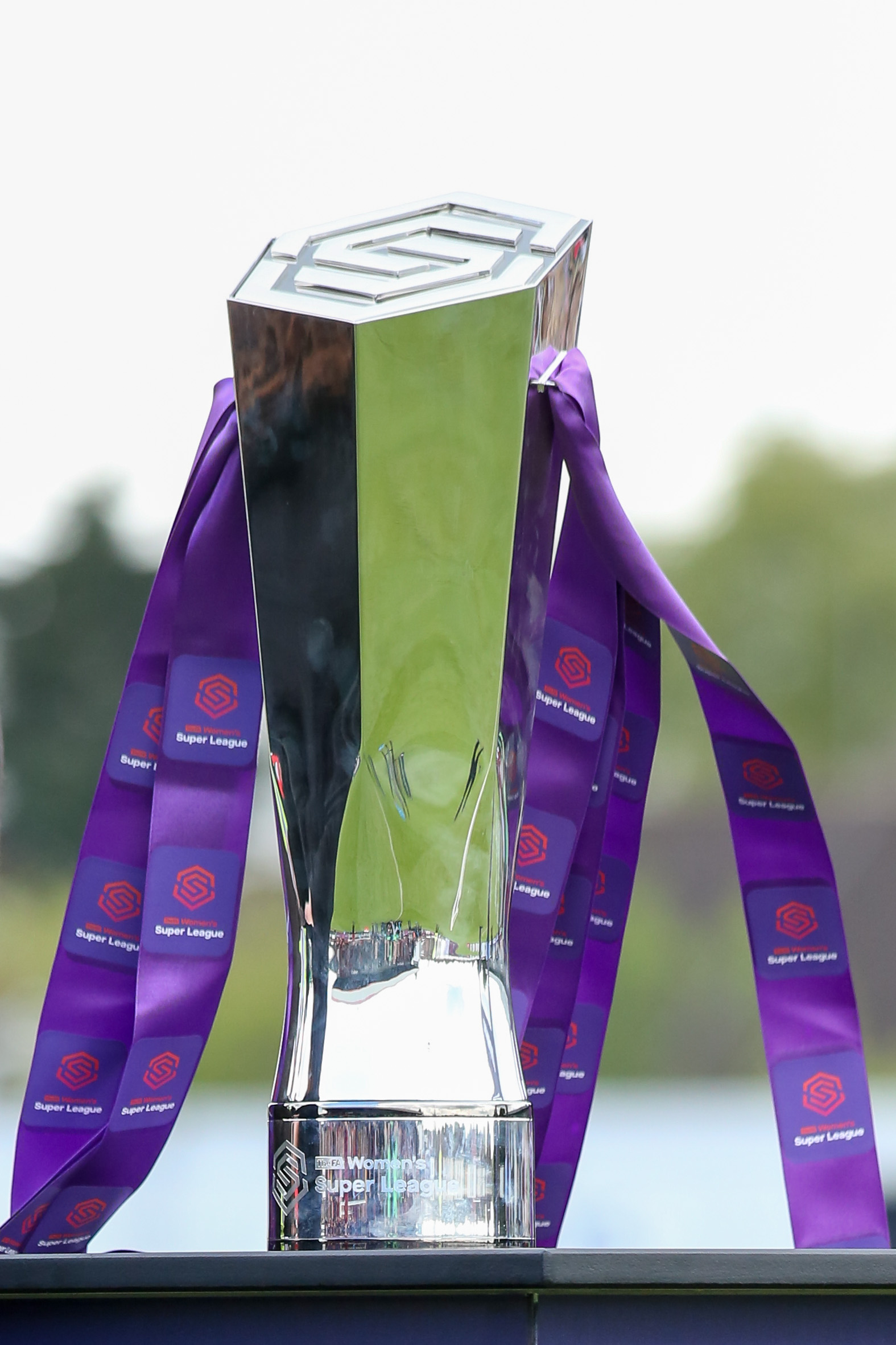
Every club in the Barclays WSL and WSL2 will be invited to join a new research project into anterior cruciate ligament injuries, after the Football Association and WSL Football announced a study on Thursday that will examine the experiences of players injured as far back as the 2018-19 season.
The project, funded by the FA, is a PhD study carried out by Hanna Lehtovirta at Imperial College London, working with sports knee surgeon Simon Ball of the Fortius Clinic. Ritan Mehta, the FA’s head of women’s medical, said the partners aim to deliver “one of the most comprehensive studies into ACL injuries in the women’s game”.
Its central question is one the sport has struggled to answer for years: why does this injury keep happening? Research cited by the BBC suggests female footballers are two to six times more likely to suffer it than their male counterparts. Vivianne Miedema, Beth Mead, Leah Williamson and Sam Kerr are among the players affected in recent years.
How the study will work
Players will be joined by medical, performance and coaching staff, and the work has been split into two phases:
- Phase one: surveys completed by players with and without an ACL injury, covering injury history, training and match load, and hormonal, nutritional and psychological factors. Players injured since 2018-19 will be compared with those who have not been.
- Phase two: interviews with the same players, and with staff, on perceptions of ACL injuries and approaches to training and prevention.
The FA says the research will consider anatomical, hormonal, neuromuscular, biomechanical and environmental risk factors. No timetable has been published, and no date has been given for findings.
Lehtovirta, a research postgraduate in Imperial’s Department of Mechanical Engineering, said the partnership offers a chance to study elite players “in their real-world context”, looking at factors “from minutes played and injury prevention practices at clubs to how players developed before they entered professional football”.
Ball was blunt about the stakes. “ACL injury is devastating for professional athletes,” the surgeon said. “Whilst we have made huge progress in the management of ACL injury there is no doubt that prevention is better than cure!”
A problem that has not gone away
The announcement comes a year after a damaging run of ACL injuries in the WSL. In October 2025 alone, England forward Michelle Agyemang, Liverpool pair Marie Hobinger and Sophie Roman Haug, Aston Villa’s Jill Baijings, Arsenal goalkeeper Manuela Zinsberger and Tottenham midfielder Maite Oroz all suffered tears. Arsenal teenager Katie Reid followed in November, then Spurs forward Jessica Naz in December, the second ACL injury of the 25-year-old’s career.
The issue has also shaped major tournaments. Williamson and Mead both missed the 2023 World Cup, while Spain’s Alexia Putellas played only a minor role in her country’s victory there after a year out with the same injury.
Political pressure has followed. In March 2024, the Women and Equalities Committee described the sports science sector’s response to the ACL issue as “disparate and slow” and called for a government task force to develop a long-term strategy.
Other research is under way. Project ACL, a three-year study funded by players’ unions the PFA and FIFPRO alongside Nike and Leeds Beckett University, launched in the WSL in April 2024 to assess factors including club facilities, staffing, travel and playing schedules. In April 2025, Fifa announced it was funding research into whether hormonal fluctuations during menstrual cycles could be contributing to the rise in ACL injuries.
What it could change
The new study’s value may lie in its breadth. Comparing injured and uninjured players across two divisions and several seasons could help researchers weigh competing explanations rather than examine each in isolation.
The limits are also clear. Clubs are being invited rather than compelled, so the strength of the data will depend partly on how many take part, and the survey-based first phase will rely on players’ own accounts of past seasons. The FA’s stated goal is measured: to “generate practical insights that could help reduce the incidence of these injuries in the future”.
Dr Abosede Ajayi, WSL Football’s medical governance lead, said the work could “strengthen ACL injury prevention strategies” and “inform medical standards across the women’s game”.
Mehta acknowledged how much remains unknown. “ACL injuries remain one of the biggest challenges facing female footballers,” Mehta said. “While significant progress has been made in understanding the factors that may contribute to these injuries, there is still much more to learn.”
Whether the answers reach the next generation in time will depend on what the data shows, and on whether clubs act on it.

Sports journalist and editor at SportsPortal.net. Covers cricket, football, Formula 1, tennis, and basketball with a focus on how global sports connect with Pakistani audiences. Follows the PSL, Pakistan national cricket team, Premier League, and major international tournaments. Has reported on sports for digital audiences since 2021.
1128 articles published