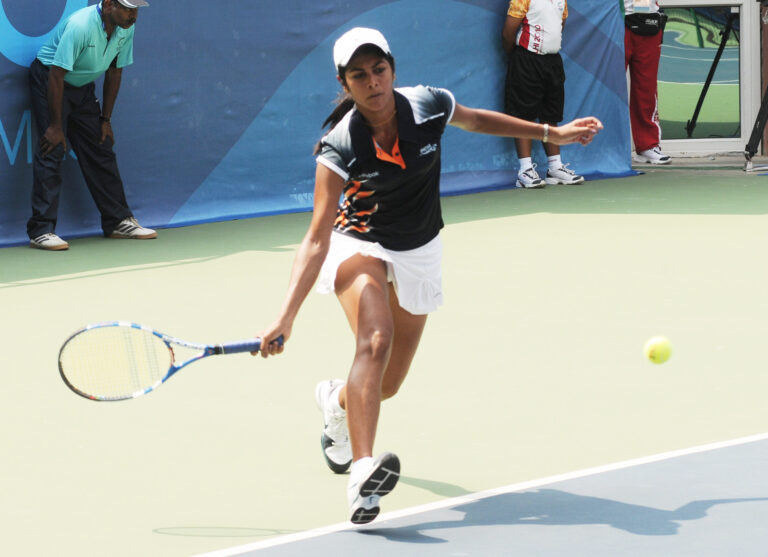




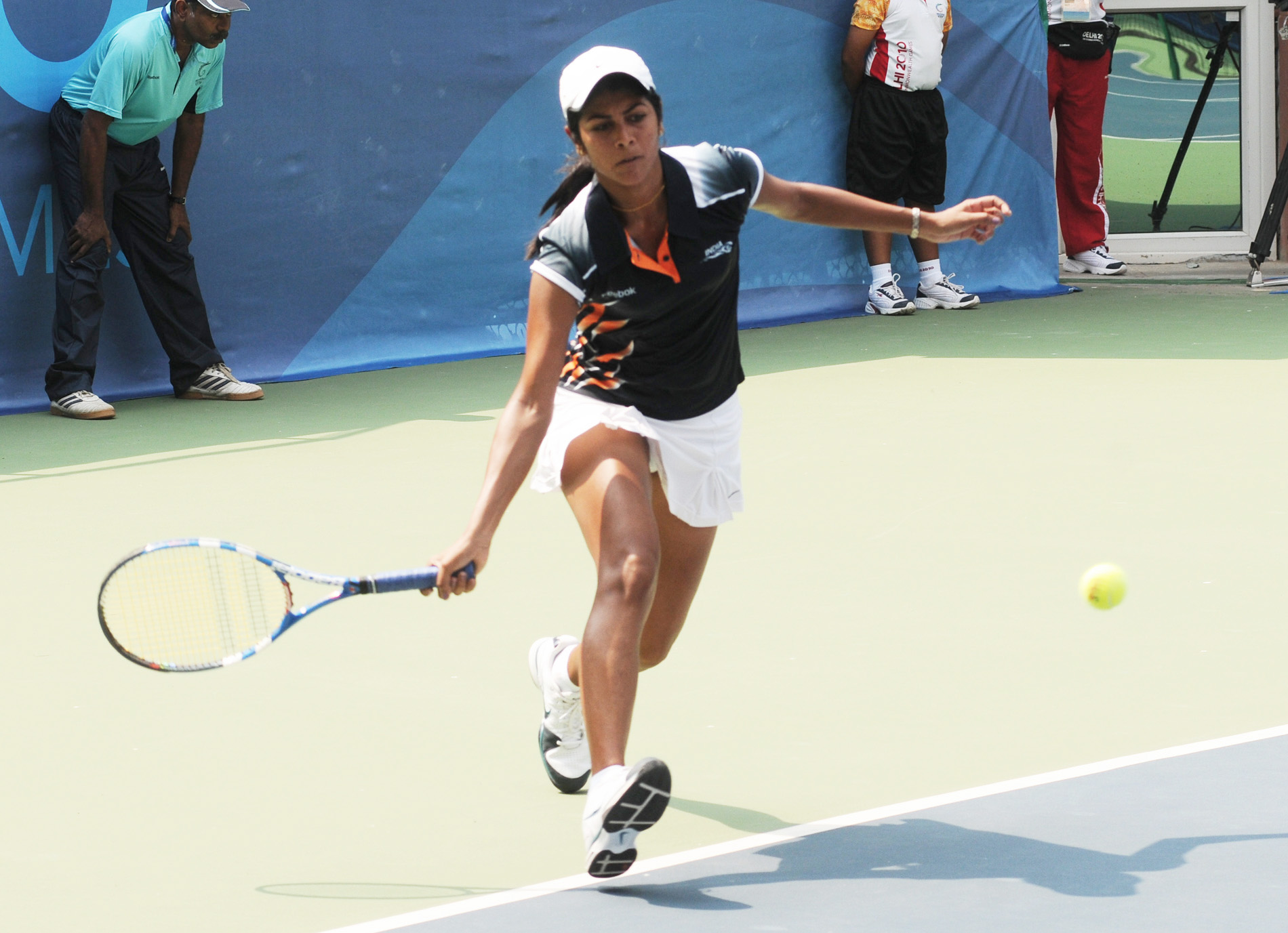
Jodie Burrage’s first WTA Tour singles main-draw match in 16 months ended in a 3-6 6-3 7-5 defeat at the Chennai Open on Tuesday. Her inbox then filled with death threats. The 27-year-old Briton is now being supported by WTA staff in India, after sharing the abuse on Instagram with a blunt verdict on her comeback: “Nice welcome back to tour. I remember why I left.”
The WTA confirmed its response to BBC Sport. “We have WTA staff on the ground in Chennai offering Jodie support, along with our wider player welfare and Threat Matrix team,” the governing body said.
Burrage, a former world number 85 who is now ranked 474th, posted a video scrolling through the messages and tagged the WTA, asking when action would be taken. Germany’s Eva Lys shared the post in solidarity and added her own question for the tour: “When will something be done?”
A dramatic defeat and its aftermath
The first-round match was a significant moment for both players. Burrage had not played a WTA main-draw singles match since losing to Catherine McNally in the first round of Wimbledon in July 2025. No reason for that absence has been given in reports of the match, and her Instagram message did not elaborate.
Her opponent, 21-year-old wildcard Vaishnavi Adkar, was ranked 334th going into her home tournament and was chasing a first WTA main-draw win. Burrage won the opening set and led 5-3 in the decider, but Adkar took the last four games to complete the win after two hours and 47 minutes. Reports said Burrage needed medical attention in the humid conditions during the final set.
Nothing suggests Adkar had any connection to the messages, and there has been no reported reaction from her. The source of this particular abuse has not been publicly identified, and no police involvement has been reported.
Burrage has stayed on court in Chennai. On Wednesday, she and American partner Robin Montgomery won their last-16 doubles match.
The scale of the problem
Burrage’s case is a familiar one in women’s tennis. Compatriot Katie Boulter said in 2025 that she had received death threats, including during that year’s French Open, and the WTA player board has previously called online abuse “unacceptable” and said its impact on players is “significant”.
The numbers explain why players remain frustrated. Female players received more than 12,000 abusive posts and messages on social media in 2025, according to Threat Matrix, the monitoring service the WTA established in 2023 and which is delivered by Signify Group. That total was broadly similar to the year before.
Gamblers are a major source. Signify’s data attributed 42% of verified abuse in 2025 to angry bettors, along with 59% of cases classed as serious. The 2024 report put gamblers’ share of abusive posts at 48%. Lower-ranked players can be especially exposed to this abuse, because matches at this level attract betting markets while the players have few of the protections that surround the sport’s biggest names. Those figures also capture only what the system detects and verifies.
The WTA says Threat Matrix uses artificial intelligence to identify abuse, and that the system is used to investigate and take action against those responsible. That includes:
- Reporting abusive content for removal
- Escalating serious cases to law enforcement
- Working with gambling companies on a programme that flags abuse in real time
Why direct messages remain the weak point
Burrage’s post exposed the gap in that system. The messages she shared were private ones, sent directly to her, and public comment filters cannot stop them from reaching a player.
The WTA acknowledged as much in its statement. “As much of the abuse players receive comes through direct messages, the WTA has offered Jodie additional support,” it said. That support includes a private channel for reporting abusive direct messages, and moderation that hides abusive comments on her public channels before she sees them.
Campaigners say the response still falls short. Mhairi Maclennan, chief executive of Kyniska Advocacy, said there is “still not enough being done”, adding: “Sports need a healthier relationship with betting agencies.”
That criticism gets to the central tension. Betting markets generate interest in matches throughout the calendar, including low-profile early rounds such as this one, while the same markets produce the losing bettors responsible for a large share of the abuse. The WTA’s real-time flagging work with gambling companies addresses part of that problem, but it does not change the incentive that sends a player’s defeat straight to her phone as a threat.
The immediate test is how far the case goes, including whether any of the messages are escalated to law enforcement and whether any accounts are identified. The longer-term question is the one Lys put to the tour in public. For Burrage, who returned to the WTA Tour after 16 months away, that answer may also bear on how much more of the circuit she wants to face.

Sports journalist and editor at SportsPortal.net. Covers cricket, football, Formula 1, tennis, and basketball with a focus on how global sports connect with Pakistani audiences. Follows the PSL, Pakistan national cricket team, Premier League, and major international tournaments. Has reported on sports for digital audiences since 2021.
1123 articles published