


The tennis serve is one of the most important strokes in the game. It’s the only shot you have complete control over, making it a perfect opportunity to set the tone for the point.
The continental grip is standard for most professional tennis players. Hold the racquet with the base knuckle of your index finger on bevel 2 of the octagonal handle. This grip allows maximum wrist flexibility and pronation, essential for generating power and spin.
A proper stance positions your feet shoulder-width apart, with your shoulder pointing toward the net. This open stance provides stability and allows for maximum coil. The ball toss is equally important—it should be released from your racquet hand at eye level.
As the ball rises, begin your loading phase by rotating your hips and shoulders. This coil stores energy that will be explosively released into the serve.
The trophy position occurs when your non-hitting arm extends toward the net and your hitting arm is bent at the elbow. From this position, your arm and racquet accelerate explosively toward the ball.
Pronation is the inward rotation of your forearm that occurs as you make contact with the ball. This movement generates tremendous racquet head speed.
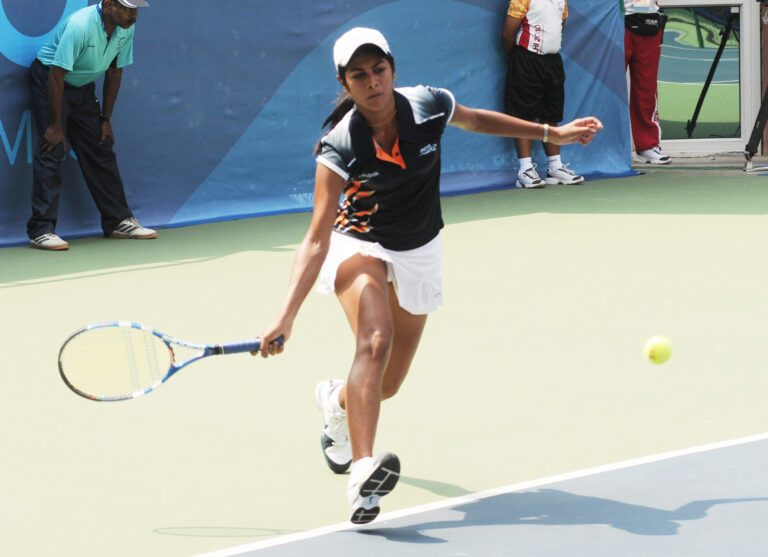
Make contact with the ball at full extension, slightly above the baseline of your reach. The contact point should be in front of your body, allowing for forward momentum transfer.
Developing a powerful first serve requires proper mechanics, consistent practice, and dedication to improvement. Focus on fundamentals and practice regularly.

The SportsPortal Editorial team brings comprehensive sports coverage across cricket, football, tennis, Formula 1, and basketball. Our reporters follow every major league, tournament, and breaking story worldwide.
142 articles published