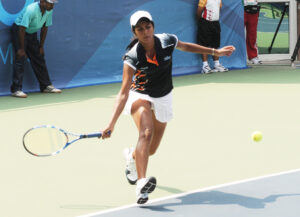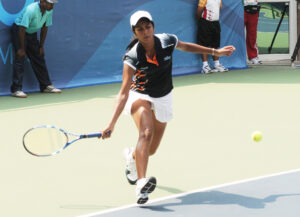


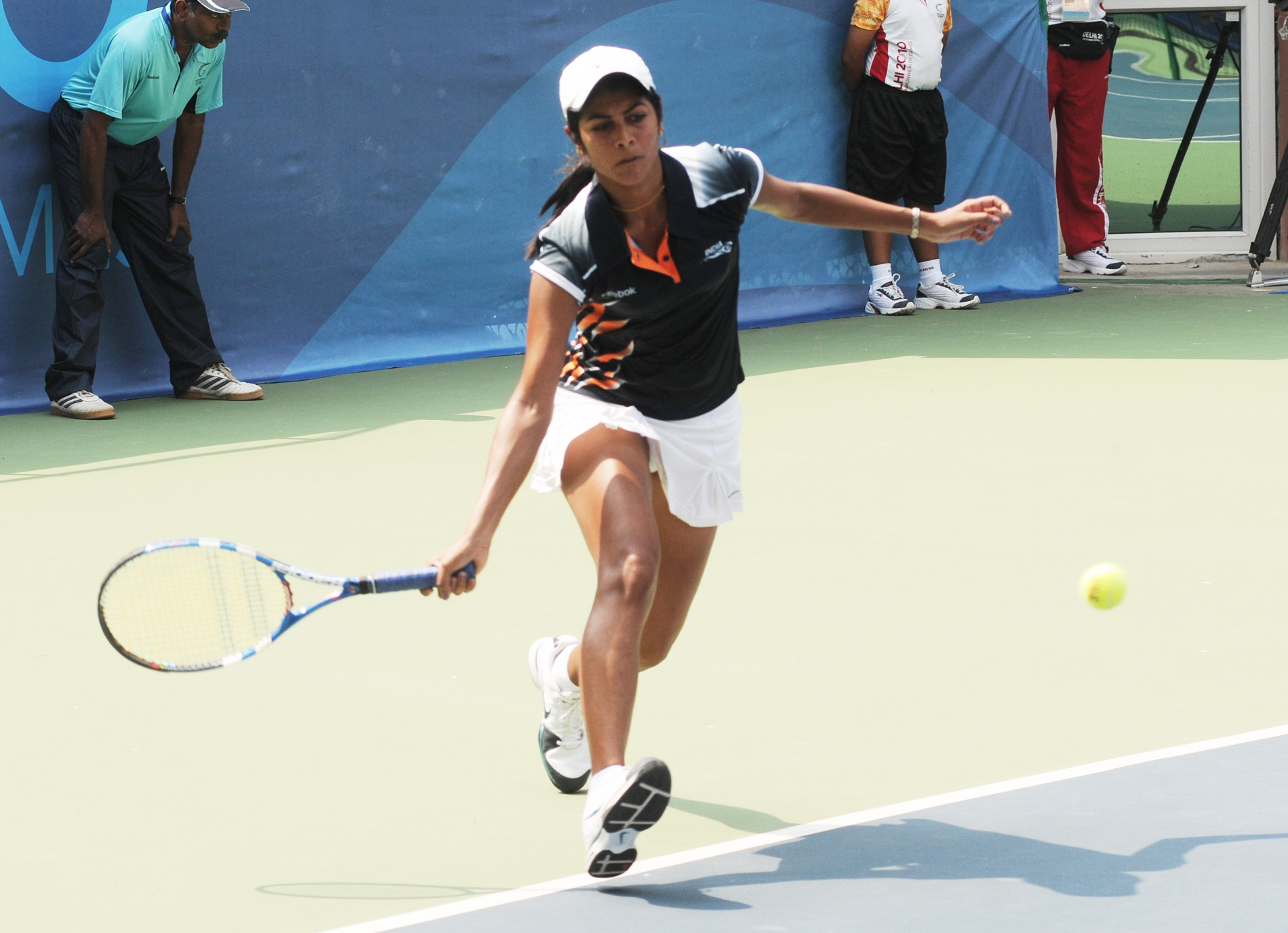
Maja Chwalinska, the world number 184 who arrived in Paris ranked outside the top 180 and needed three rounds of qualifying just to reach the main draw, is one match away from the most improbable Grand Slam title in the Open era after the Polish qualifier dismantled Coco Gauff 6-3, 7-5 on Court Philippe-Chatrier to reach the French Open final. She will face 19-year-old Russian Mirra Andreeva, who beat Ukraine’s Marta Kostyuk 6-2, 6-4 in Thursday’s other semi-final, in Saturday’s championship match.
Chwalinska, 24, becomes the first qualifier to reach a women’s Grand Slam final since Emma Raducanu won the 2021 US Open, and the first to do so at Roland Garros since the qualifying era began. Her run has spanned ten matches in 13 days, dropping just two sets along the way — one to second seed Aryna Sabalenka in the quarter-finals, and one to Czech 14th seed Linda Noskova in the third round.
The numbers behind the run
Chwalinska’s path through the draw reads like a who’s who of seeded opposition. After three qualifying wins to scrape into the main draw, she defeated 28th seed Magda Linette in the first round, unseeded American Peyton Stearns in the second, Noskova in the third, and 11th seed Daria Kasatkina in the fourth. The quarter-final win over Sabalenka — 4-6, 6-4, 7-5 in three hours and 11 minutes — was the longest women’s match of the tournament and the moment her run stopped being a curiosity and became a story.
Against Gauff, the third seed and 2024 finalist, Chwalinska won 78% of points behind her first serve and broke the American five times. Her backhand down the line, struck flat and early, produced 22 winners. Gauff’s forehand, exposed all fortnight, leaked 31 unforced errors.
- Ranking: 184 (lowest by a French Open women’s finalist since rankings began in 1975)
- Qualifying wins required: 3
- Seeded opponents beaten: 4 (Linette, Noskova, Kasatkina, Sabalenka, Gauff)
- Prize money guaranteed: €1.4m (more than her career earnings combined before this fortnight)
- Aces this tournament: 47, behind only Sabalenka in the women’s draw
The Pole, who grew up in Bytom in Silesia and trained at the same regional academy as Iga Swiatek before the two diverged at junior level, had never won a main-draw match at a Grand Slam before this fortnight. She had earned just over €380,000 in prize money across her entire seven-year professional career. Saturday’s runner-up cheque alone is €1.4m. The winner takes €2.7m.
Andreeva waits, and the generation gap closes
If Chwalinska’s run is the romance, Andreeva is the inevitability. The Russian, who turned 19 in April, has reached three Grand Slam semi-finals in the past 12 months and now her first final. Her 6-2, 6-4 dismissal of Kostyuk took 84 minutes. She has dropped serve just four times in the tournament and is yet to face a break point in two of her seven matches.
The pair have never met on the professional tour. Andreeva is 1-0 against Polish opponents in 2026, having beaten Magdalena Frech in Dubai. Chwalinska has never faced a top-five player before this fortnight; she has now beaten one (Sabalenka, world number two) and is one win from another. Andreeva is the favourite — bookmakers price her at 1/4 — but the qualifier’s serve, the most underrated weapon of the fortnight, will trouble a returner who prefers rhythm to chaos.
What a Chwalinska win would mean
A Chwalinska victory would be the lowest-ranked Grand Slam champion in the Open era, eclipsing Raducanu’s run from qualifying at Flushing Meadows. It would lift her from 184 to a projected ranking of 24, and from a player who flew economy to Paris with her coach paying half the airfare to a multi-millionaire and a national figure in a country where Swiatek has dominated tennis conversation for half a decade.
For Polish tennis, the prospect of two Roland Garros champions in five years — Swiatek won in 2022, 2023 and 2024 — would be historic. For the women’s tour, the result either way confirms a generational shift. Of the past six Grand Slam finals, five have featured at least one player aged 22 or younger. Andreeva, if she wins, becomes the youngest French Open champion since Iva Majoli in 1997. Chwalinska, if she wins, becomes the oldest first-time major champion since Flavia Pennetta at the 2015 US Open.
Saturday’s final begins at 3pm local time on Court Philippe-Chatrier. Whichever name is engraved on the Coupe Suzanne Lenglen by Saturday evening, the women’s game will have a new face on its biggest stage.

Sports journalist and editor at SportsPortal.net. Covers cricket, football, Formula 1, tennis, and basketball with a focus on how global sports connect with Pakistani audiences. Follows the PSL, Pakistan national cricket team, Premier League, and major international tournaments. Has reported on sports for digital audiences since 2021.
1035 articles published