
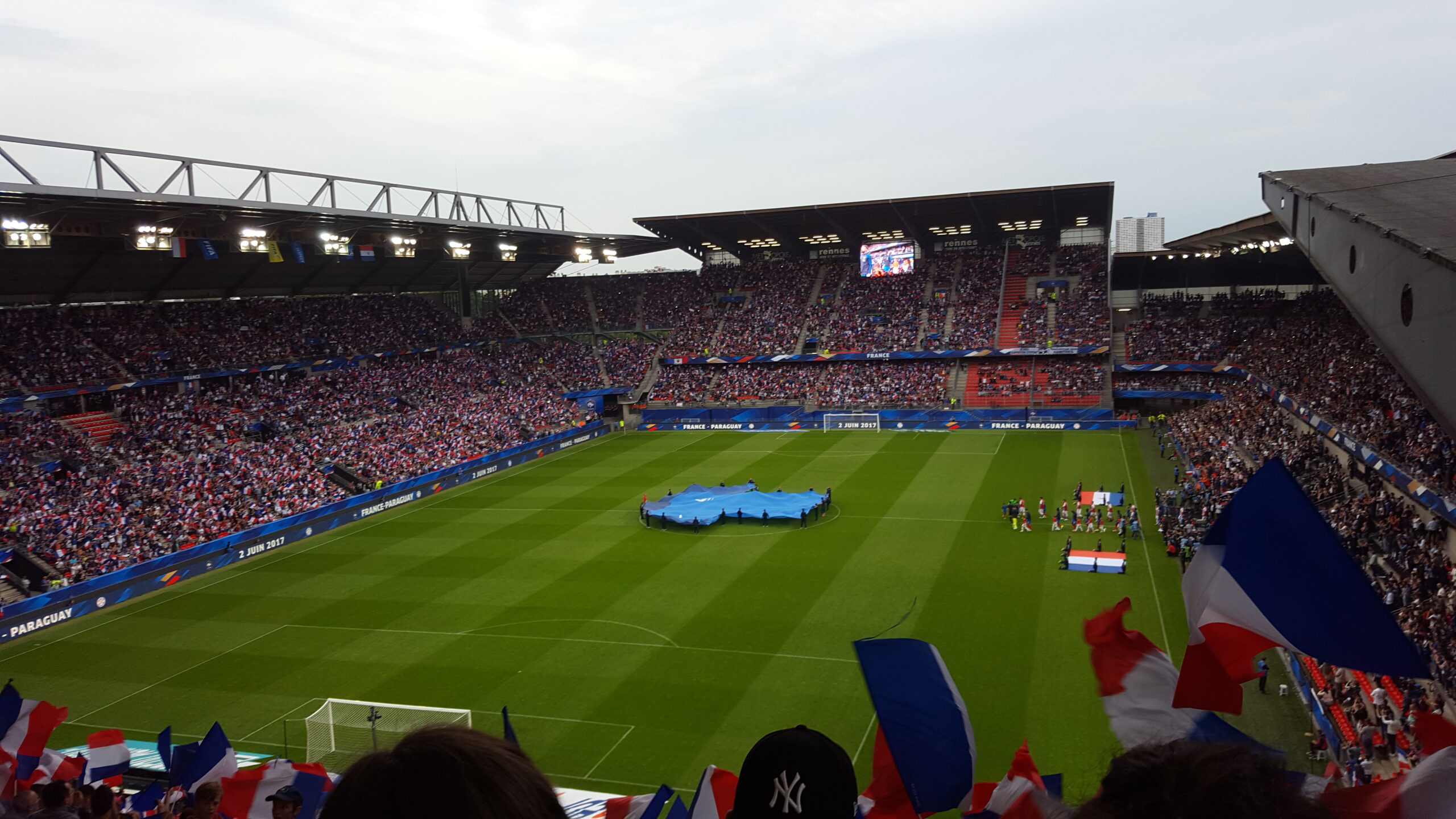
France arrive in the last 16 as one of the tournament favourites, but Paraguay have made a habit of turning knockout ties into wars of attrition — and history says the two nations do not part easily. Kick-off is 5pm local (7am AEST, 10pm BST), and the last time these sides met at this stage of a World Cup, the match was settled by the very first golden goal the competition had ever seen.
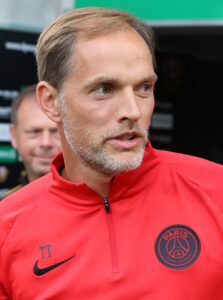
This is the sixth meeting between France and Paraguay, and the third on the biggest stage. Les Bleus won the two previous World Cup encounters, but neither came comfortably. Didier Deschamps’ side — or the coaching group that has inherited his blueprint — know that a Paraguay team built on defensive discipline and set-piece menace does not offer the kind of open game that flatters France’s attacking talent.
A rivalry with knockout history
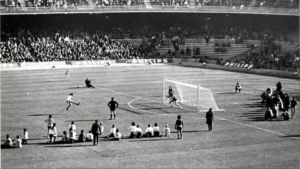
The defining chapter came at France ’98. Paraguay, marshalled by the extravagant goalkeeper-captain José Luis Chilavert, held the hosts scoreless through 90 minutes and deep into extra time in the round of 16. Then, in the 114th minute, defender Laurent Blanc swept home to end it — the first golden goal in World Cup history, and the strike that kept France’s march to a first world title alive.
That match set the template for how these fixtures tend to unfold: Paraguay defend in numbers, frustrate, and dare the opponent to find a way through. France eventually did, but only just. The five previous meetings across all competitions have produced tight margins rather than blowouts, and there is little in the recent form of either side to suggest today will break the pattern.
For Paraguay, simply being here is an achievement. La Albirroja have spent much of the last decade watching World Cups from home, and reaching the knockout rounds represents a genuine return to the game’s top table. Their route through the group stage was built on organisation, aerial strength and a goalkeeper in form — the familiar ingredients of a Paraguay side that punches above its ranking.
France’s firepower against a low block
France’s challenge is a familiar one for any tournament heavyweight: how to break down a side that concedes possession by design. Expect Paraguay to sit deep, compress the space between their lines, and look to spring forward on the counter or win the game from a corner or free-kick. That places the onus on France’s creators to unlock a packed penalty area with patience rather than pace.
The margins in these games are frequently decided by a single moment — a set-piece, a deflection, an individual burst of quality. France carry more of those match-winners in their squad, which is precisely why they are favourites. But favouritism has counted for little against Paraguay before, and a side that keeps the score at 0-0 for long stretches invites the kind of tension that can unsettle even the most gifted attack.
Discipline will matter at both ends. A rash challenge, a lost header at a corner, a moment of impatience — any of these can decide a last-16 tie that both teams will approach with caution. France will want to score early and force Paraguay out of their shell; Paraguay will happily take the game to penalties if the alternative is chasing it.
What the winner walks into
The reward for victory is a quarter-final place and a step deeper into a tournament that has already delivered its share of upsets. Elsewhere on the same day, Morocco dismantled Canada 3-0, a reminder that the traditional order can be overturned quickly at this stage. Paraguay will look at results like that and believe the bracket is theirs to disrupt.
For France, progression is the expectation rather than the reward — anything less than the last eight would be read as a failure of a squad assembled to win the whole thing. For Paraguay, a place in the quarter-finals would rank among the great days in the nation’s football history, evoking the run to the same stage in 2010.
The stakes, then, are asymmetric: one side playing to meet its ceiling, the other to protect a reputation. That imbalance often produces the most compelling knockout football, because the underdog has everything to gain and the favourite everything to lose. If 1998 is any guide, France should be prepared to earn this one the hard way — deep into extra time, and perhaps beyond.

Sports journalist and editor at SportsPortal.net. Covers cricket, football, Formula 1, tennis, and basketball with a focus on how global sports connect with Pakistani audiences. Follows the PSL, Pakistan national cricket team, Premier League, and major international tournaments. Has reported on sports for digital audiences since 2021.
931 articles published