
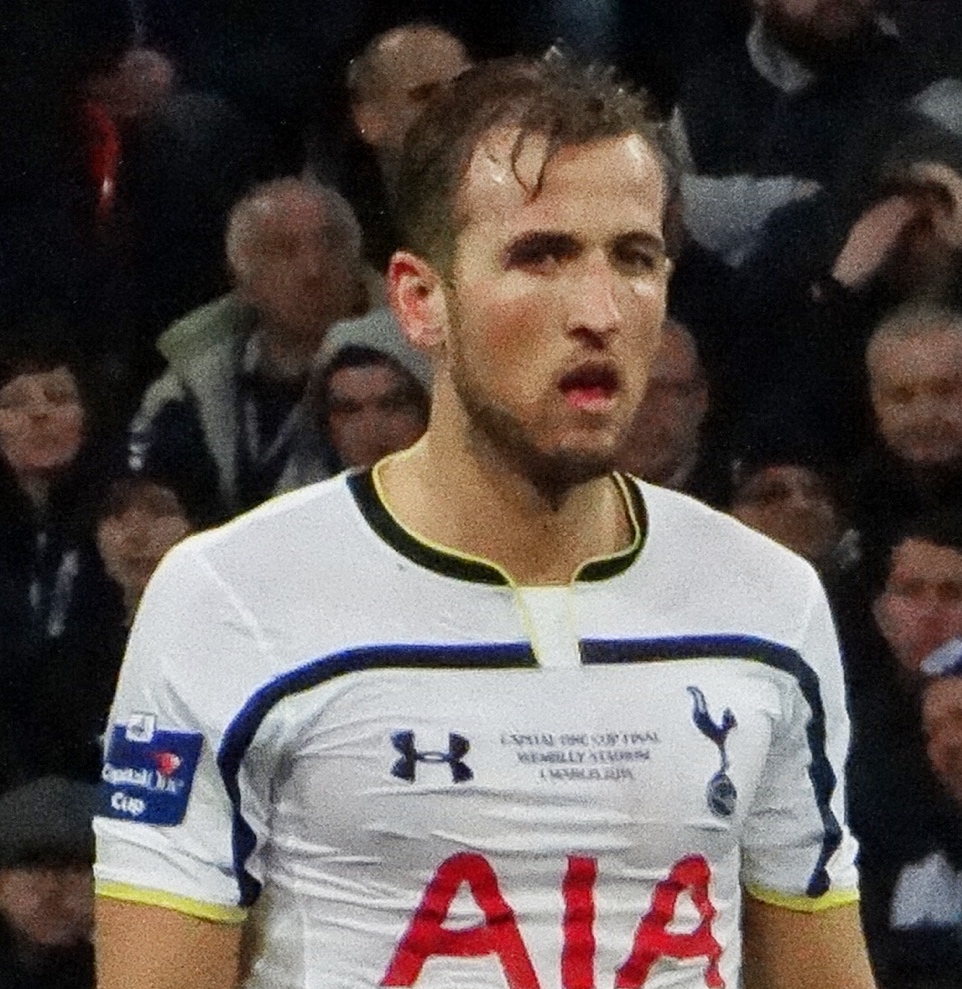
For 79 minutes at the Atlanta Stadium, England looked less like World Cup contenders and more like a team haunted by their own history. A goal down to a fearless DR Congo, misplacing passes, shrinking under the weight of expectation, they were sliding towards the kind of exit that ends managerial reigns and reshapes the Football Association. Then Harry Kane decided the afternoon would go another way. Two goals in 11 minutes turned defeat into a 2-1 win, sent England into the last 16, and rescued Thomas Tuchel from a catastrophe that had felt genuinely close.
A captain dragging a team out of the fire
Kane’s afternoon was played, for the most part, in the deep horror that England fans have learned to dread since the Iceland defeat of 2016. This was a performance dripping with that same anxiety: careful, fearful, allergic to risk. DR Congo, superbly organised and quick in transition, had every right to their lead and looked the more likely to double it.
What separates the very best from the merely good is the refusal to accept the script. Kane’s first goal was a striker’s goal, taken with the certainty of a man who has spent two decades in these positions. His second, moments later, was the release valve for a stadium and a nation that had been holding its breath. In the space of 11 minutes he did what the entire England structure around him had failed to do all afternoon: he imposed himself on the game.
It was captaincy of the most literal kind. Not armband symbolism, but a single player deciding that the collective drift towards disaster was unacceptable and personally reversing it. England did not play well. Kane simply refused to let that matter.
The manager Kane saved
Thomas Tuchel arrived as the pragmatic, trophy-hardened operator brought in to end England’s habit of falling short. Yet for 79 minutes his team looked exactly like the anxious, over-thinking sides of tournaments past. A last-32 exit to DR Congo would have been more than a bad result; it would have been an indictment of the entire project, and the questions would not have stopped at the technical area.
The uncomfortable truth for Tuchel is that his tactical plan was not working. England were passive, the midfield overrun, the attack starved. Substitutions and shape did not fix it. His captain did. Managers are often the beneficiaries of individual brilliance, and Tuchel will know that the margins between progressing as a “resilient” side and being sacked as a failure came down to a few metres of Kane’s positioning and finishing.
That is not a criticism unique to Tuchel — Gareth Southgate leaned on Kane’s goals for years — but it is a warning. Depending on one 32-year-old to paper over structural problems is not a strategy that survives contact with the tournament’s better teams.
Relief now, but the questions remain
England are in the last 16, and in knockout football survival is its own currency. Progress buys time, momentum and another chance to get it right. There is genuine value in winning ugly; the great tournament sides have all done it. The memory of Iceland, and of the generational trauma that a defeat here would have created, makes the relief entirely justified.
But relief is not the same as reassurance. DR Congo exposed the same brittleness that has undone England before: the fear of the ball, the collapse in fluency when the plan is disrupted, the over-reliance on their captain to conjure something from nothing. Better sides await, and they will not sit off and allow Kane the space to author another rescue.
For now, the Democratic Republic of Harry Kane marches on, its sole citizen having once again carried the passports of everyone around him. He saved the team, he saved the manager, and he may yet have saved the tournament for England. Whether Tuchel can build something that does not require saving every 90 minutes is the question the next round will ask — and the one Kane, for all his brilliance, cannot answer alone.

Sports journalist and editor at SportsPortal.net. Covers cricket, football, Formula 1, tennis, and basketball with a focus on how global sports connect with Pakistani audiences. Follows the PSL, Pakistan national cricket team, Premier League, and major international tournaments. Has reported on sports for digital audiences since 2021.
916 articles published