




Where problems started with 2026 rules & calendar congestion – F1 Q&A — BBC Sport F1 correspondent Andrew Benson answers your latest questions.
The timing of this news could hardly be more significant. With the Abu Dhabi Grand Prix reaching a pivotal stage, every match, every selection, and every strategic call is being scrutinized with unprecedented intensity. This comprehensive analysis from SportsPortal.net examines the key details, the wider context, and the road ahead for everyone involved.
Breaking Down the Key Details
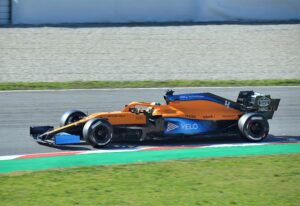
As BBC Sport reports, “Rule changes have continued to be a big focus in Formula 1, with the previous race in Miami the first since a series of tweaks designed to address concerns about the 2026 engine regulations.” The report also notes: “Since then, F1 bosses have agreed to further changes to engine design for the 2027 season.”
The broader backdrop of the Abu Dhabi Grand Prix provides essential context — this is not an isolated incident but part of a larger competitive arc that has been building throughout the season. Strategic adjustments are already underway, and the next phase of competition will reveal their effectiveness.

Tactical and Technical Analysis
The technical and tactical dimensions of this F1 story reflect a sport that is in a period of profound transformation. The current generation of regulations has changed the competitive landscape in ways that reward aerodynamic efficiency and tire management over raw engine power. Teams that have adapted most quickly to these technical challenges have gained a significant advantage, while others are still working to close the gap.
Race strategy — the interplay between tire compounds, pit stop timing, and track position — remains one of the most intellectually fascinating aspects of Formula 1. The strategists who sit behind the pit wall, processing real-time data and making split-second decisions, are as crucial to a team’s success as the driver in the cockpit. A single strategic call can transform a race outcome, turning potential defeat into victory.
The Bigger Picture
The broader context for this F1 story extends to the sport’s ambitious transformation agenda. Formula 1 is simultaneously expanding its global footprint — with new races on multiple continents — while pursuing aggressive sustainability targets through the development of synthetic fuels and hybrid power units. The next generation of engine regulations, set to introduce fully sustainable fuel, represents a philosophical shift for a sport historically defined by its pursuit of speed above all else.
The commercial growth of F1, fueled by the Netflix effect and strategic social media engagement, has brought millions of new fans to the sport. This expanded audience has created both opportunities and challenges — opportunities in terms of revenue and cultural relevance, and challenges in maintaining the authenticity and technical depth that long-time enthusiasts value. Balancing these competing demands is one of the sport’s most important strategic questions.

What BBC Sport Reports
According to BBC Sport, “With plenty to talk about, BBC F1 correspondent Andrew Benson answers your latest questions.” The report also notes: “How did the people who run F1 make such a mistake when implementing the new regulations? Having watched F1 for decades, this is the worst regulation change I can remember. – Michael”
The story surrounding where problems started with 2026 rules & calendar continues to develop as reactions pour in from across the formula 1 community. As more information emerges, the full significance of these developments will become clearer for fans following the Abu Dhabi Grand Prix.
Media coverage has been extensive, reflecting the genuine interest that this topic has generated among formula 1 followers worldwide. The combination of competitive stakes, individual narratives, and broader implications makes this one of the most discussed formula 1 stories of the current week.
What This Means for Pakistan Formula 1 Fans
Formula 1’s expanding global footprint has brought the sport significantly closer to its Pakistani fan base. The proliferation of races across Asia and the Middle East, combined with accessible streaming options, means that Pakistani motorsport enthusiasts can follow the championship with an immediacy that was impossible a generation ago. The passion for speed and engineering excellence resonates deeply in a country with a growing automotive culture.
While Pakistan does not yet have representation on the F1 grid, the dream of a Pakistani driver competing at the highest level of motorsport inspires young karting and racing enthusiasts across the country. The journey from local karting circuits to the global stage is a long one, but the growing interest in motorsport at all levels suggests that Pakistan’s engagement with F1 will only deepen in the years ahead.

Looking Ahead: What to Watch
What happens next will be shaped by the decisions made in the aftermath of this development. The formula 1 landscape is dynamic, and the teams and individuals who adapt most effectively to changing circumstances tend to be the ones who ultimately succeed. The next chapter of this story is already being written — in training facilities, strategy meetings, and the competitive arenas where theory meets reality.
- Recovery and preparation: Managing physical and mental energy across a demanding schedule is paramount
- Strategic adjustments: Lessons from recent results will inform tactical planning for upcoming challenges
- External factors: Conditions, scheduling, and off-field developments could all influence competitive outcomes
- Momentum management: Converting positive developments into sustained excellence is the ultimate test
More Formula 1 Coverage on SportsPortal
Continue reading our latest formula 1 coverage:
- Will F1 go back to the future with its engines? | Formula 1 News — SportsPortal.net
- Murray brought into Draper coaching team | Tennis News — SportsPortal.net
- England’s second ODI against New Zealand washed out | Cricket News — SportsPortal.net
- ‘In a better place but not 100%’ – Raducanu out of Rome as wait for return continues | Tennis News — SportsPortal.net
- Resolute Gauff avoids Rome exit – but must improve | Tennis News — SportsPortal.net
🏎️ Live Scores · F1 News
Historical Perspective
F1’s seven-decade history provides a lens through which to view this development. The sport has always existed at the intersection of engineering brilliance and human courage, from the dangerous early decades through the turbo era, the Schumacher dominance, and the hybrid revolution. Each period has brought new challenges and new heroes, and the current generation of drivers and teams are writing their own chapter in this remarkable story.
The technological advancements that define modern F1 — from computational fluid dynamics to carbon fiber monocoques to energy recovery systems — represent the pinnacle of automotive engineering. The cars competing today are the most sophisticated racing machines ever built, and the speeds they achieve on circuits around the world are a testament to the relentless pursuit of performance that has always been the sport’s driving force.
Based on reporting by BBC Sport. SportsPortal.net editorial analysis published May 14, 2026 at 12:23 UTC.
Follow SportsPortal.net for live scores, match previews, and expert analysis across Cricket, Football, Tennis, Basketball, and Formula 1. Check Live Scores →

The SportsPortal Editorial team brings comprehensive sports coverage across cricket, football, tennis, Formula 1, and basketball. Our reporters follow every major league, tournament, and breaking story worldwide.
142 articles published