
Video assistant referee Shaun Evans has insisted the hand gesture caught on camera during last Friday’s World Cup 2026 opener between Mexico and Iran was an “involuntary, subconscious twitch”, denying any intent to “communicate a message, affiliation, game or belief of any kind”. Evans, 42, the Australian official stationed in FIFA’s Dallas VAR hub, faces a disciplinary hearing on Thursday after footage of him appearing to make a stretched-finger salute during a 71st-minute offside review went viral, drawing more than 90 million views across social platforms inside 48 hours.
FIFA president Aleksander Ceferin condemned the imagery as “deeply troubling” on Saturday, but in a written submission released by Evans’s legal representatives on Monday, the referee categorically rejected any political reading. “I was unaware of the movement at the moment it occurred,” the statement reads. “I have no affiliation, public or private, with any movement, organisation or symbol that has been suggested in the past 72 hours.” Evans has been stood down from his next scheduled assignment, Wednesday’s Group D fixture between Morocco and Uruguay in Houston.
What the footage shows and what Evans says happened
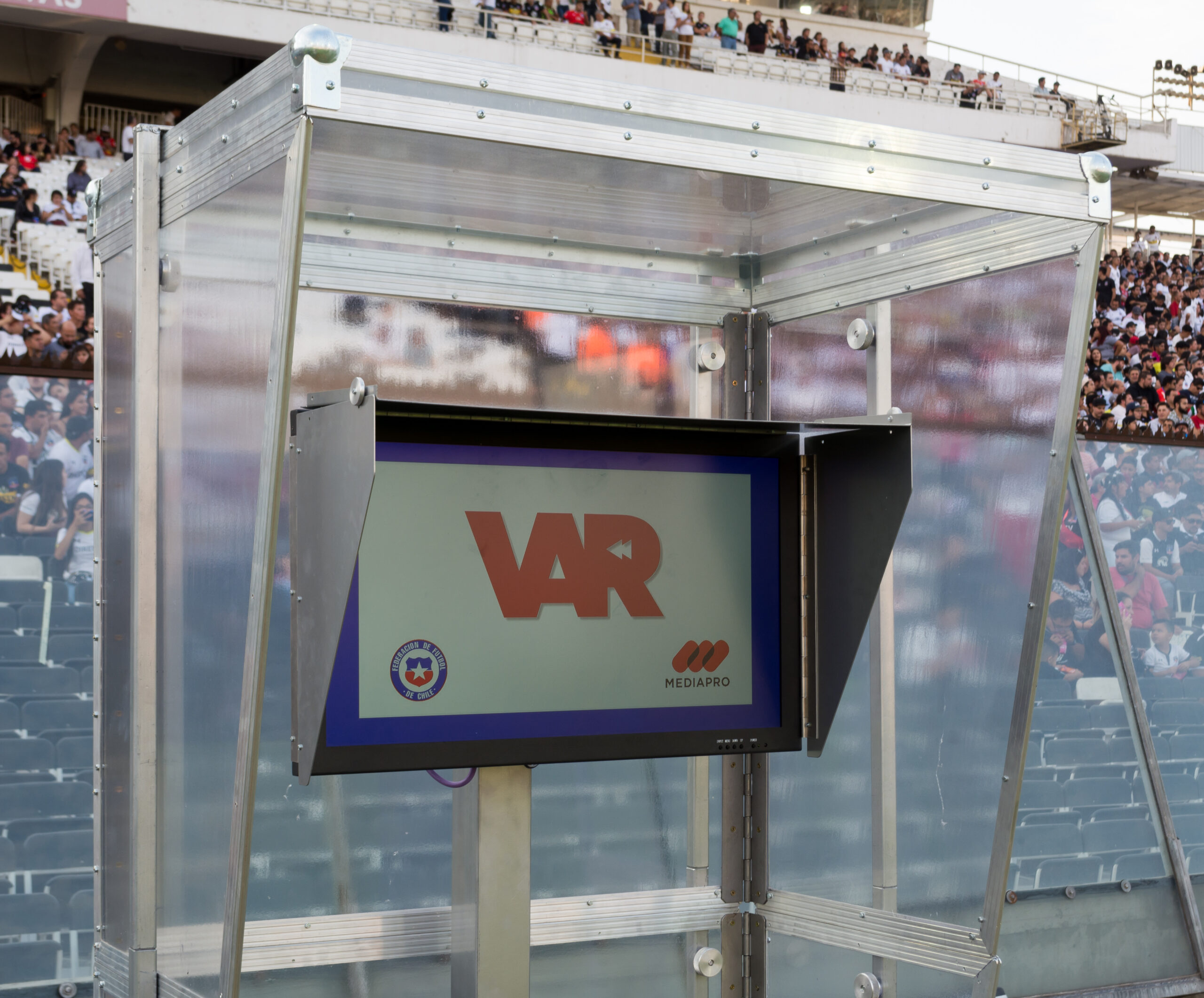
The disputed moment occurred as Evans reviewed a tight offside call that ultimately disallowed Hirving Lozano’s would-be opener for Mexico. Broadcast cut to the VAR room for nine seconds — a longer-than-usual cutaway negotiated by host broadcaster Telemundo — and Evans is visible raising his right hand, extending three fingers, then closing them sharply against his palm. The gesture lasted roughly 0.4 seconds.
In his statement, Evans attributes the motion to a documented medical condition. “I have a mild motor tic, diagnosed in 2019, that surfaces under elevated cortisol conditions,” he wrote, citing a neurologist’s report submitted to FIFA’s referees committee. “It typically presents as a brief finger flexion in the dominant hand.” His legal team has provided FIFA with medical records dating back six years and statements from three former Premier League officials who say they observed similar involuntary movements during high-pressure assignments.
- Match: Mexico 0-1 Iran, Group A, 13 June 2026, AT&T Stadium
- Incident timestamp: 71:14, during offside review of Lozano goal
- Cutaway duration: 9 seconds, longest in-match VAR broadcast window of tournament so far
- Social media reach: 92.4 million combined views by Sunday evening
- FIFA disciplinary hearing: Thursday, 18 June, at tournament headquarters in Miami
The political backdrop FIFA cannot ignore
The optics could hardly be worse for a tournament FIFA had marketed as the most unifying in the competition’s history. Iran’s presence at the World Cup remained in doubt until late May, when 14 of the 26-man squad were granted US visas only after appeals brokered by Qatar. Iranian state broadcaster IRIB cut its coverage of the Mexico match for 11 minutes after the gesture aired, citing “technical issues”, and Iran’s football federation lodged a formal complaint with FIFA on Sunday.
This is not the first time a match official has been pulled into a geopolitical row at this World Cup. Norwegian referee Espen Eskas was reassigned from a Group B fixture last Tuesday after a 2017 social media post resurfaced. FIFA’s referees committee, chaired by Pierluigi Collina, has been operating with what one source inside the organisation describes as “zero tolerance for ambiguity” — a policy that may make Evans’s medical defence harder to land regardless of its merits.
What happens next and why it matters beyond one referee
Thursday’s hearing will examine three questions: whether the gesture was deliberate, whether Evans’s medical disclosure was properly logged with FIFA before the tournament, and whether the nine-second broadcast cutaway breached protocols agreed with host broadcasters. The maximum sanction is a 12-month suspension from all FIFA competitions, which would end Evans’s hopes of officiating at the 2027 Women’s World Cup play-off rounds, for which he was on the longlist.
The broader question is how FIFA polices the human moments inside an increasingly televised VAR process. The decision to broadcast longer cutaways from the Dallas hub was sold to networks as a transparency measure after criticism of the 2022 Qatar tournament. Within five days, that transparency has produced its first crisis. Expect FIFA’s broadcast partners to face renewed pressure on how — and how long — VAR officials are shown on screen for the remainder of the group stage.
Evans’s fate will be decided in Miami on Thursday. The precedent it sets, for officials, broadcasters and FIFA itself, will outlast this tournament.

Sports journalist and editor at SportsPortal.net. Covers cricket, football, Formula 1, tennis, and basketball with a focus on how global sports connect with Pakistani audiences. Follows the PSL, Pakistan national cricket team, Premier League, and major international tournaments. Has reported on sports for digital audiences since 2021.
813 articles published