


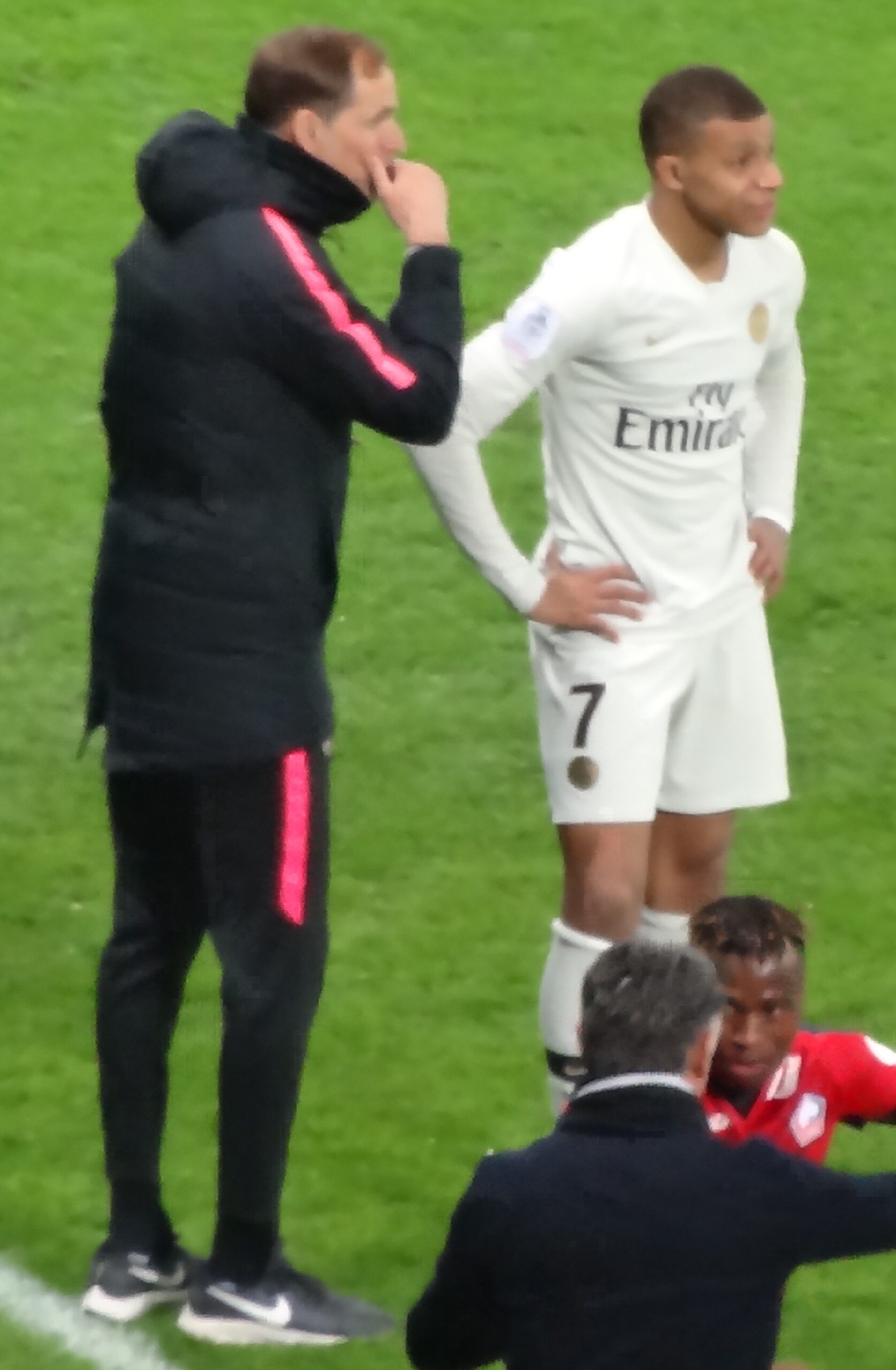
Thomas Tuchel arrived at England’s training base in Berlin this week with the kind of measured calm that has defined his nine months in charge. The German has guided his adopted nation through a flawless qualifying campaign, six wins from six, 22 goals scored, only three conceded, and now stands four matches from becoming the first foreign coach to win the World Cup with England. Yet the question that followed him from Wembley to the Olympiastadion remains: does he feel it the way the rest of the country does?
The answer, on the evidence of a tournament that has already produced a 2-1 opening victory over Croatia and a 3-0 dismantling of Senegal, is more nuanced than the early sceptics allowed. Tuchel may not carry the scars of Italia 90 or Euro 96, but he has spent the past month embedding himself into the fabric of an England squad that, for the first time in a generation, looks built in its coach’s image rather than in spite of him.
The footballaholic finds his rhythm
Tuchel described himself as a “footballaholic” in his unveiling at the FA last October, and the label has stuck. Staff at St George’s Park speak of a head coach who watches three matches a night, sends tactical clips to his assistants at 2am, and conducts individual video sessions with players that can run to 90 minutes. Harry Kane, captain and now top scorer of the tournament with four goals, has spoken openly about how Tuchel’s forensic preparation reshaped his movement in the false-nine role he occupied against Senegal.
The contrast with Gareth Southgate’s man-management ethos is stark, but not unwelcome. Where Southgate built consensus, Tuchel imposes clarity. Jude Bellingham, restored to a deeper hybrid role, has flourished under the German’s insistence on positional discipline. Declan Rice, asked to pivot between defensive midfield and a left-sided centre-back in possession, has produced the two most complete performances of his international career. The system is unmistakably Tuchel’s: aggressive counter-pressing, a back four that becomes a back three in build-up, full-backs inverted into midfield.
An outsider no more
The accusation that Tuchel does not understand England has lost its sting. He has visited Wembley’s archive twice this year, watched the 1966 final in full with his coaching staff, and spent an afternoon at Bobby Moore’s old club West Ham listening to academy coaches explain what English football means at grassroots level. None of this was performative. Tuchel has done the same in every job he has held, from Mainz to Paris Saint-Germain to Chelsea, where he won the Champions League in 2021 within five months of taking over.
What separates this England job from the others is the duration of his commitment. Tuchel signed an 18-month contract specifically targeting this tournament, an arrangement criticised at the time as mercenary but which has produced exactly the focus it promised. He has not been distracted by club rumours. He has not used England as a stepping stone. The FA’s gamble, made by technical director John McDermott against considerable internal opposition, has delivered a coach who treats the role as a singular project rather than a stage in a career.
What victory would mean
England face Morocco in the quarter-final on Saturday, a repeat of the 2022 fixture that ended in extra-time heartbreak for Walid Regragui’s side against France. Tuchel’s team are favourites, but the bracket beyond is unforgiving: a probable semi-final against Brazil or Spain, and a final that could pit him against the Germany of Julian Nagelsmann, his old rival from the Bundesliga’s coaching boom of the mid-2010s.
Should England lift the trophy on 19 July at the new Estadio Azteca in Mexico City, the debate about Tuchel’s Englishness will be retired permanently. The historical context matters: no foreign manager has ever won the World Cup with a nation outside their own. Carlos Alberto Parreira came closest, taking Saudi Arabia, the UAE and Kuwait to tournaments without ever truly threatening the trophy. Tuchel is operating in different territory entirely.
The deeper significance lies in what comes after. If Tuchel succeeds where Sven-Goran Eriksson and Fabio Capello did not, the FA’s appetite for foreign coaches will be permanently recalibrated. The English coaching pathway, long held up as a point of national pride, will face fresh scrutiny. And the 60 years of hurt, that BBC montage, the Colombia shootout, the missed penalties of tournaments past, will finally be filed away as history rather than prophecy.

Sports journalist and editor at SportsPortal.net. Covers cricket, football, Formula 1, tennis, and basketball with a focus on how global sports connect with Pakistani audiences. Follows the PSL, Pakistan national cricket team, Premier League, and major international tournaments. Has reported on sports for digital audiences since 2021.
819 articles published