

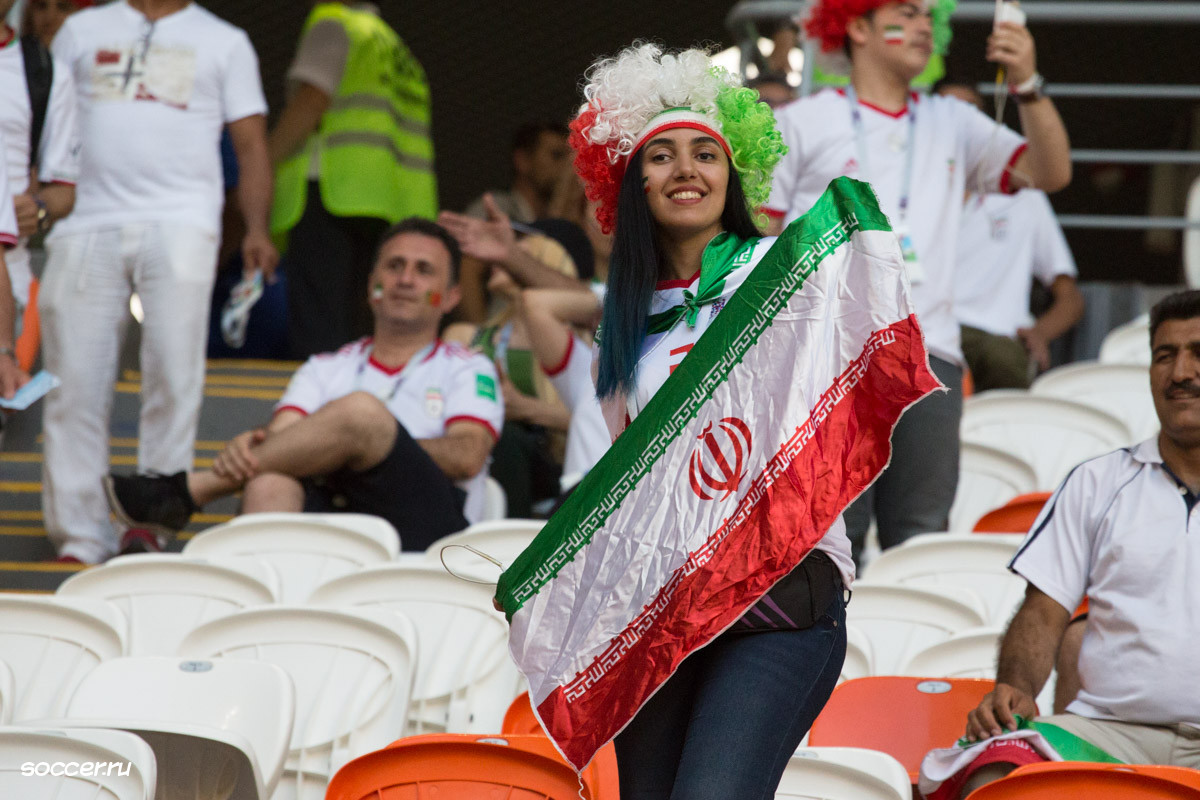
Iran’s football federation has confirmed that its entire allocation of tickets for the group stage of the 2026 World Cup has been revoked by FIFA, with the announcement landing just nine days before Team Melli are scheduled to open their campaign against Uzbekistan in Kansas City on 18 June.
The Football Federation of the Islamic Republic of Iran (FFIRI) said in a statement released on Monday that it had received formal notification from FIFA’s ticketing office on Sunday evening, withdrawing the 6,500 seats reserved for travelling supporters across the group fixtures against Uzbekistan, Portugal and Tunisia. The federation described the move as “unprecedented in modern World Cup history” and confirmed it had lodged an emergency appeal with the Court of Arbitration for Sport.
FIFA has not issued a detailed public response, but a source within the governing body confirmed the decision relates to “logistical and consular factors outside the federation’s direct control” — a reference understood to involve the United States State Department’s refusal to issue travel visas to a significant proportion of the Iranian fans who had purchased tickets through the federation’s official channel.
How the situation unravelled
Iran’s three group-stage matches are all scheduled to be played on United States soil — at Arrowhead Stadium in Kansas City, MetLife Stadium in New Jersey, and Hard Rock Stadium in Miami. Diplomatic relations between Tehran and Washington remain severed, and the US has operated a presumption-of-denial policy for Iranian B1/B2 visitor visas since 2019.
FFIRI president Mehdi Taj told state broadcaster IRIB that the federation had been given assurances by both FIFA and the US Soccer Federation as recently as April that supporters holding official allocation tickets would be processed through a streamlined diplomatic channel via the Swiss embassy in Tehran, which handles US consular affairs in Iran.
“We were told that 6,500 supporters would be accommodated. We sold those tickets in good faith. Last week we were informed that fewer than 300 visa applications had been approved, and on Sunday FIFA cancelled the remaining allocation entirely,” Taj said. “Our supporters are being punished for political circumstances they did not create.”
The cancelled tickets are understood to have been redistributed to the general FIFA pool and made available through a flash sale that opened on Monday morning, with prices for the Portugal fixture in New Jersey listed between $485 and $1,940.
A pattern of friction with the host nations
Iran’s qualification for the 2026 tournament — secured with a 2-0 win over Qatar in March — was followed almost immediately by questions about how the federation would navigate a co-hosted competition in which two of the three host nations, the United States and Canada, restrict Iranian nationals.
This is the fourth World Cup in succession Iran has reached, but the first to be staged in a country with no diplomatic representation in Tehran. At Qatar 2022, the federation was allocated 12,000 tickets across the group stage and sold approximately 9,400. At Russia 2018, the figure exceeded 14,000.
The friction is not confined to ticketing. Iran’s preparation camp, originally planned for Houston, was relocated to Monterrey in Mexico in May after the squad’s training-staff visas were delayed. Head coach Amir Ghalenoei has flown his players in and out of the US on match-by-match charter flights rather than basing the squad domestically — an arrangement FFIRI has costed at roughly $4.2 million in additional logistics.
What happens next
The Court of Arbitration for Sport is expected to convene an emergency panel within 72 hours, though any ruling is unlikely to restore the original allocation in time for the Uzbekistan opener. FFIRI is seeking three specific remedies:
- Reinstatement of the 6,500-ticket allocation with relocation rights to the second-round fixtures should Iran progress
- Financial compensation for ticket-holders who completed visa applications in good faith
- A binding commitment from FIFA that the 2030 bidding process will require host nations to guarantee supporter access from all qualified federations
FIFA president Gianni Infantino, who has repeatedly described the 2026 tournament as “the most inclusive World Cup ever,” is under pressure from at least four other federations — Saudi Arabia, Morocco, Senegal and Algeria — whose supporters have reported elevated visa refusal rates for the US-hosted fixtures.
For Iran’s players, the immediate consequence is the prospect of opening their World Cup in a near-empty visiting section. Captain Sardar Azmoun, speaking from the Monterrey camp on Monday evening, was unambiguous: “We will play for the people who could not come. That is the only answer we have.”

Sports journalist and editor at SportsPortal.net. Covers cricket, football, Formula 1, tennis, and basketball with a focus on how global sports connect with Pakistani audiences. Follows the PSL, Pakistan national cricket team, Premier League, and major international tournaments. Has reported on sports for digital audiences since 2021.
1057 articles published