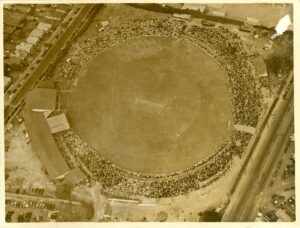
In 2023, a seat in Edgbaston’s Hollies Stand for an Ashes Test cost £115. For the equivalent day in July 2027, the same ticket is £165 — a 43% rise, plus a £2.50 booking fee. Michael Vaughan, who captained England to the 2005 Ashes at that ground, called the increase “really poor”. The England and Wales Cricket Board’s chief executive, Richard Gould, did not pretend otherwise: “It is expensive.”
Edgbaston’s jump is the sharpest single example of a trend running through almost every corner of professional sport. Ticket prices are rising faster than inflation, and the cost of watching from home is rising alongside them. Sky Sports lifted its flagship add-on from £22 to £24 a month for existing Sky TV customers at the start of October — a 9% increase worth £48 a year, landing a week before the Premier League returned from the international break.
The Ashes test case
The 2027 Ashes is the most in-demand series English cricket sells, and the pricing reflects that. Lord’s tops out at £190, the Kia Oval at £185. Gould points to the spread rather than the ceiling: “I think if you look at the Ashes though, you’ve got a range of between £90 and £165 depending on the venue.” At Edgbaston, member seats elsewhere in the ground are £92, and the cheapest adult ticket for the first three days is £115.
Set against the rest of the summer, the premium is stark. Tickets for this year’s Pakistan Test at the same ground ran from £57.50 to £87.50. The Ashes is not priced like a cricket match; it is priced like an event.
Mark Butcher, the former England opener, offered the unsentimental reading: “They’re expensive because lots and lots of people want them. It’s just a simple fact of economy.” He conceded he could not account for the scale of the rise “beyond demand”. The supply side is the constraint. Lord’s holds 31,180. Edgbaston sells around 24,000 tickets a day. Five Tests at English grounds produce roughly 600,000 seats for a market that would absorb far more — and the 2027 schedule, from Trent Bridge on 18 June to the Oval on 29 July, stages nothing north of Nottingham. Headingley and Old Trafford are not guaranteed Ashes cricket again until the 2039 cycle.
Where the money goes
The ECB’s defence is structural. Gould argues that unlike football, where owners can extract dividends, cricket’s gate receipts cycle back into the game — grassroots programmes, the recreational premier leagues, and the England men’s and women’s teams. There are no private investors taking a cut at the top of the pyramid. Edgbaston, meanwhile, says its prices are “broadly consistent with those at other Ashes venues and major British sporting events, including Wimbledon and Formula One at Silverstone”.
Both claims are defensible, and both sidestep the same point: general inflation since the 2023 Ashes has been around 20%. A 43% rise is double that. Grounds are also servicing debt on redevelopment, absorbing higher stewarding and policing costs, and competing for a fixed pool of hosting fees paid to the ECB for the right to stage a Test. Those fees have to be recovered somewhere, and the gate is the only lever a county controls.
Two bills, one sport
The broadcast side of the equation is where the increases compound. Sky is paying more than £880m to hold English cricket’s rights to the end of 2028 — around £220m a year, up on the previous deal — in exchange for 90 extra hours of coverage annually, a 50% increase in televised Vitality Blast fixtures, and eight women’s Hundred matches on terrestrial television. Rights inflation of that order does not stay with the broadcaster. It arrives as a £2-a-month line on a subscriber’s bill.
The fragmentation does the rest of the damage. Sky carries 80% of televised Premier League games, the EFL, cricket, F1, golf and darts; TNT Sports holds the Champions League; Amazon, DAZN and others hold the remainder. Watching the full range of major sport in the UK now costs roughly £138 a month. Globally, the combined price of the main sports streaming services has risen 26% in five years, from $149.95 to $188.86 a month.
The strategic risk for cricket is specific. Football can lose a marginal fan and replace them. A sport that already competes for attention, and whose Test audience skews older and more loyal, is pricing its most committed customers at Wimbledon rates while asking them to pay a separate subscription to watch the overs they cannot attend. Edgbaston’s 6,000-seat Hollies Stand will sell out in 2027 regardless. The question the ECB has not yet answered is who is standing in it in 2039.

Sports journalist and editor at SportsPortal.net. Covers cricket, football, Formula 1, tennis, and basketball with a focus on how global sports connect with Pakistani audiences. Follows the PSL, Pakistan national cricket team, Premier League, and major international tournaments. Has reported on sports for digital audiences since 2021.
970 articles published