
For the first time in their history, Germany have lost a World Cup penalty shootout — and it may have cost Julian Nagelsmann his job. Paraguay, ranked outside the world’s top 40, held their nerve from 12 yards to win 4-2 on penalties after a 1-1 draw in the last 32, dumping the four-time champions out of a tournament they arrived at among the favourites. Antonio Sanabria converted the decisive kick after Florian Wirtz had dragged Germany’s fifth penalty wide, sparking scenes of disbelief inside a silenced stadium and triggering what one German newspaper has already branded “the next football nightmare.”
How Germany unravelled
Germany had controlled long stretches of the match. Niclas Füllkrug headed them in front shortly after the hour, and with possession nudging past 65%, the contest appeared to be following a familiar script. Instead, Paraguay equalised through Miguel Almirón’s low finish with 12 minutes remaining, then defended with the discipline that has defined Gustavo Alfaro’s side throughout the tournament.
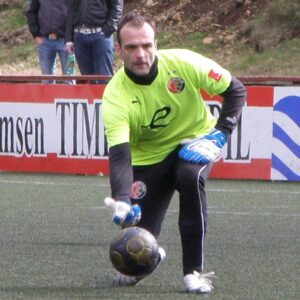
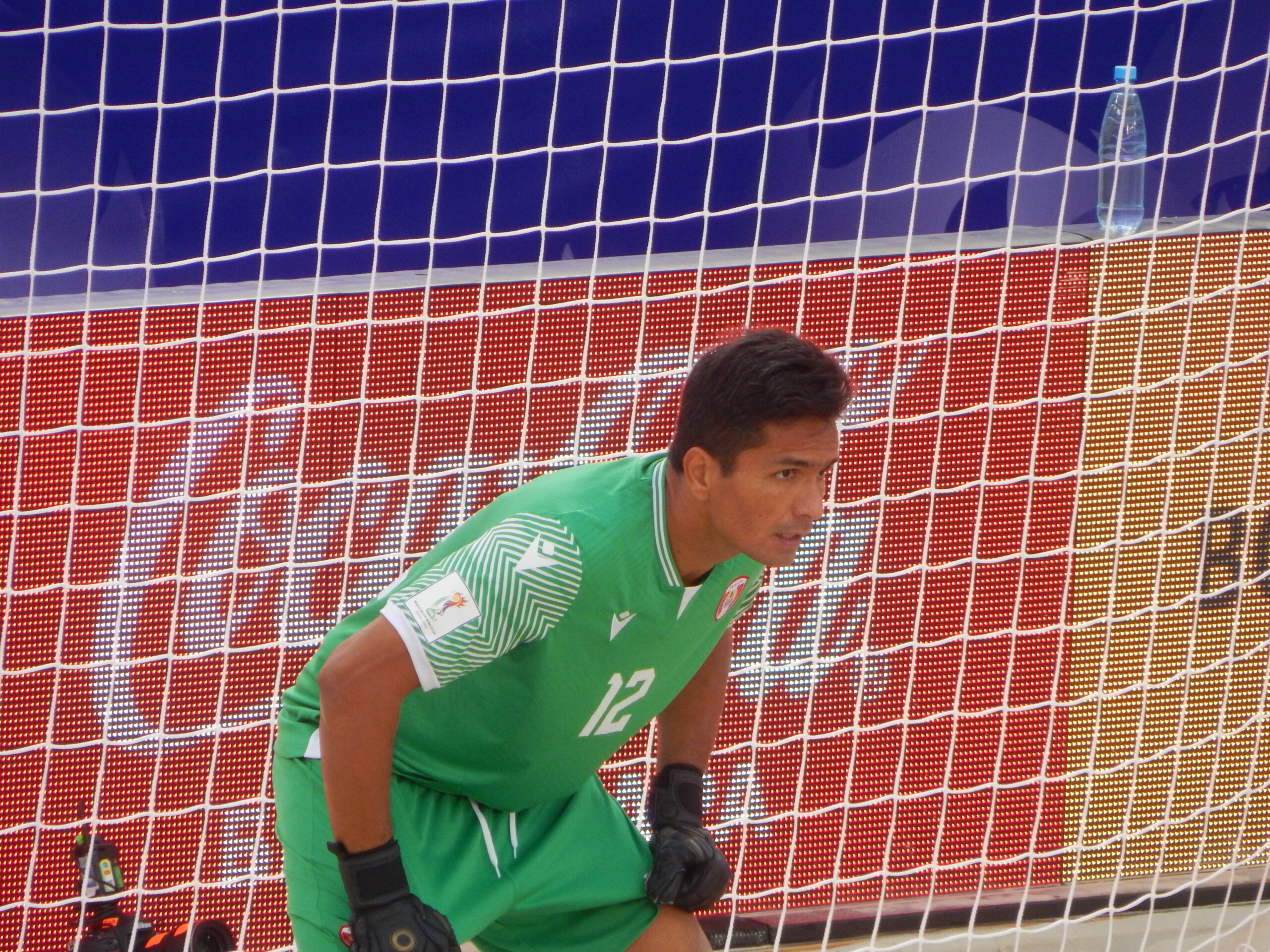
Extra time brought chances but no breakthrough, and the shootout exposed the psychological fragility that has crept into this Germany team. Wirtz and Joshua Kimmich both failed to convert, while Paraguay goalkeeper Roberto Fernández guessed correctly twice. It was a remarkable reversal of a tradition Germans had treated as near-law: West Germany and the unified national team had previously won every World Cup shootout they contested, from the 1982 semi-final against France to the 2006 quarter-final win over Argentina.
- Germany’s previous World Cup shootouts: won in 1982, 1986, 1990 and 2006
- First-round or last-32 exit at three of the last four men’s World Cups
- Paraguay reach the last 16 for the first time since 2010
The case against Nagelsmann
Appointed in 2023 to restore order after the Hansi Flick era collapsed, Nagelsmann was charged with rebuilding belief as much as results. The reaching of a home European Championship quarter-final in 2024 bought him credit, but a last-32 exit to Paraguay erases much of it. The questions now are familiar ones for German football: a defence that conceded a soft equaliser, a midfield that controlled possession without creating clear chances, and a forward line still searching for a reliable tournament goalscorer.
Nagelsmann cut a composed figure afterward, insisting his players “gave everything” and that “the margins in knockout football are brutal.” But composure rarely shields a Germany manager from scrutiny after an early exit. The German Football Association (DFB) has shown little patience in recent cycles — Joachim Löw, Flick and now potentially Nagelsmann have all been measured against the standard set by the 2014 world champions, a standard the national team has not come close to matching since.
The financial and reputational stakes sharpen the debate. Germany co-hosted a successful Euro 2024 and had positioned this World Cup as proof that the rebuild was complete. Instead, the result extends a run of tournament disappointment that stretches back to the group-stage exits of 2018 and 2022.
What it means going forward
For Paraguay, this is a defining moment. Alfaro, who guided Ecuador to the last 16 in 2022, has now engineered another upset on the game’s biggest stage, and his side travel into the knockout rounds with nothing to lose and a nation behind them. Almirón’s late equaliser and the collective composure under pressure will live long in South American memory.
For Germany, the reckoning begins immediately. The DFB must decide whether Nagelsmann’s longer-term project — built around younger talents such as Wirtz, Jamal Musiala and Florian Neuhaus — is worth protecting, or whether a third successive tournament failure demands a change at the top before the next qualifying cycle. Sacking a coach mid-rebuild risks resetting the clock once more; standing by him risks repeating the same outcome.
What is certain is that the aura of inevitability around German tournament football, already eroded, has now been stripped away entirely. A team that once turned shootouts into a national guarantee has lost one for the first time, against opponents few expected to trouble them. Whether or not Nagelsmann survives, the deeper problem is plain: Germany are no longer the side opponents fear, and rebuilding that fear may take far longer than one tournament cycle.

Sports journalist and editor at SportsPortal.net. Covers cricket, football, Formula 1, tennis, and basketball with a focus on how global sports connect with Pakistani audiences. Follows the PSL, Pakistan national cricket team, Premier League, and major international tournaments. Has reported on sports for digital audiences since 2021.
902 articles published