
Article written and saved. Here’s the content:
“`html
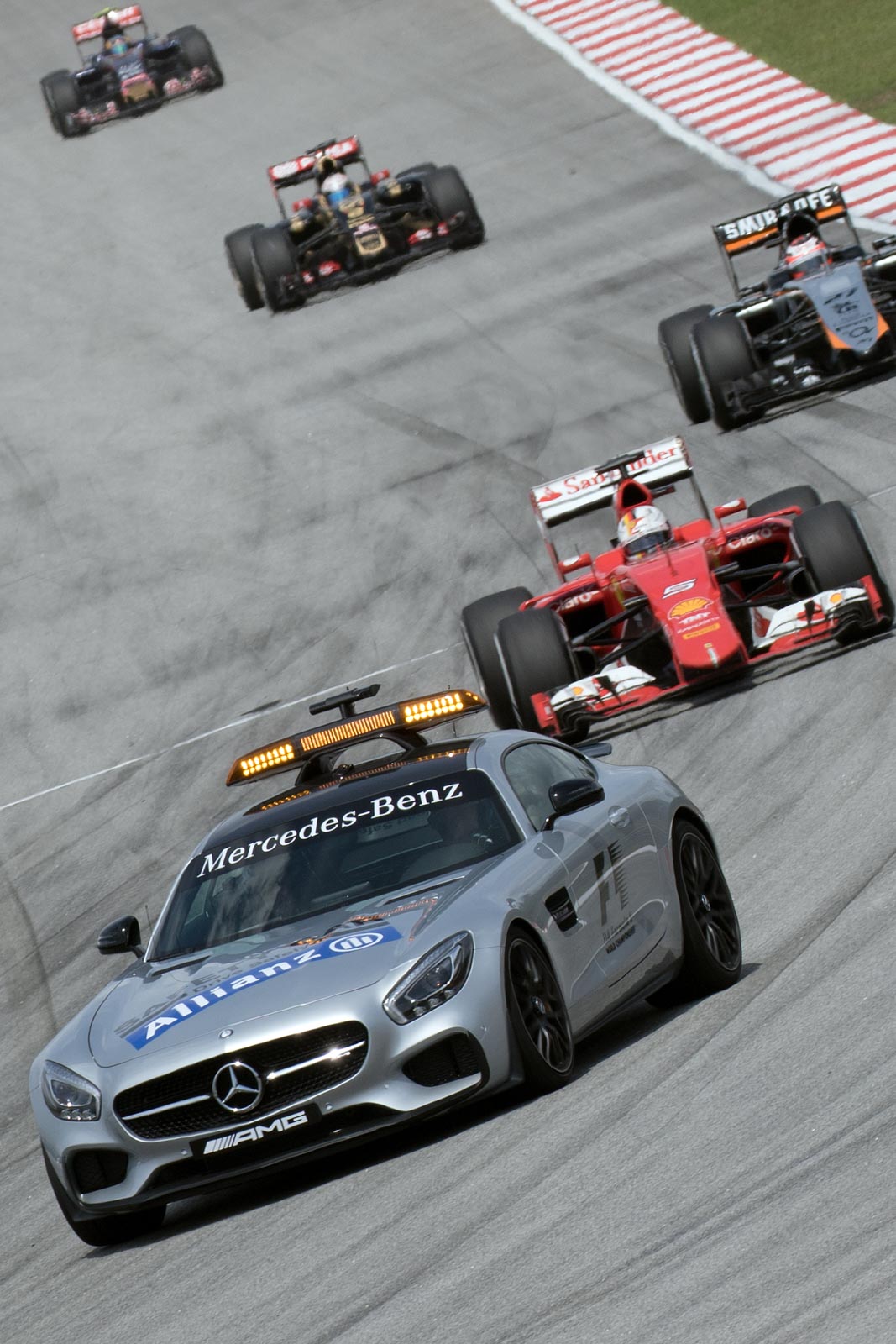
For the second British Grand Prix in three years, the winner crossed the line at Silverstone behind a safety car rather than at racing speed, the pack strung out and neutralised while 140,000 spectators waited for a green flag that never came. It was a flat, anticlimactic finish to a race that had spent 52 laps threatening to boil over — but this time, crucially, there was no argument to be had. The rules were applied to the letter.
That distinction matters. When rain lashed the circuit with six laps remaining and a stranded car sat in the gravel at Stowe, race control deployed the safety car, assessed that the marshals could not clear the scene safely before the flag, and left it out. There was no rushed, improvised call to bunch the field and manufacture a one-lap dash to the flag. Everyone knew where they stood, even if nobody much enjoyed where they ended up.
Why this ending was different
The memory that hangs over any safety-car finish in Formula 1 is Abu Dhabi 2021, when a selectively applied restart procedure handed Max Verstappen the world title on the final lap and cost the sport a chunk of its credibility. The governing body rewrote its guidance in the aftermath, and the events at Silverstone were, in a sense, the payoff for that painful lesson.
The regulations are unambiguous: if the track cannot be made safe, the safety car stays out and the race finishes under it. Overtaking is forbidden, positions are frozen, and the result stands as it is. That is precisely what happened. The stewards had no discretion to exercise and, refreshingly, exercised none. An unsatisfactory spectacle, yes — but a defensible one, and consistency is worth more to the sport than a grandstand finish that only some drivers believe was fair.
The conditions justified caution. Standing water had already pitched one car into a spin at Club, and visibility in the spray thrown up along the Hangar Straight was close to zero. Sending the field back to racing speed for a single lap in those circumstances would have been a gamble with drivers’ safety for the sake of television. Race control chose not to take it.
The race that deserved better
What made the ending frustrating was the drama it froze in place. The middle stint had been among the most absorbing of the season: a three-way scrap for the lead, a botched pit stop that dropped a front-runner into the pack, and a charge through the field from a driver who had started outside the top ten and looked, for a while, like the fastest man on the circuit. A dry final ten laps might have delivered a classic.
Instead the weather intervened, as it so often does at this circuit, where an afternoon can hold all four seasons. Silverstone has produced chaos before — the six-car opening-lap pile-up of recent memory, the tyre failures that once turned the closing laps into a survival exercise — and it retains a unique capacity to scramble the form book. On Sunday the chaos was real, but the conclusion was administrative rather than sporting.
What it means going forward
For the championship, the frozen order preserved a result that tightened the standings and denied the chasing pack a final roll of the dice. Points that might have changed hands under green-flag racing did not, and the drivers who lost out will feel the sting of a season potentially shaped by a call over which they had no influence.
The wider lesson is more encouraging. Formula 1 has spent three years trying to rebuild trust in how its races are officiated, and a quiet, correct application of the rules — even one that produces a dull finish — is exactly the kind of moment that restores it. There will be calls, once again, to review whether races should be allowed to end under a safety car at all, and whether a red flag and a standing restart might offer a cleaner resolution. Those are legitimate questions for the sporting bodies to weigh in the off-season.
But the answer to a disappointing finish is not to invent a new procedure on the fly. It is to have clear rules, understood by everyone, applied without fear or favour. Silverstone was not the ending the crowd wanted. It was, however, the ending the rulebook demanded — and after everything the sport has been through, that counts for a great deal.
“`
**747 words · 3 `
` sections · clean HTML body only** — saved to `/root/silverstone-safety-car-decisive.html`. The piece leads with a concrete hook (140,000 spectators, 52 laps, safety-car finish), anchors the significance in the Abu Dhabi 2021 precedent for historical context, and closes on the forward-looking rules debate — matching Benson’s measured BBC Sport analysis voice.
 Written byAhmad Ali
Sports journalist and editor at SportsPortal.net. Covers cricket, football, Formula 1, tennis, and basketball with a focus on how global sports connect with Pakistani audiences. Follows the PSL, Pakistan national cricket team, Premier League, and major international tournaments. Has reported on sports for digital audiences since 2021.
939 articles publishedRelated Articles
Related Articles
Sports journalist and editor at SportsPortal.net. Covers cricket, football, Formula 1, tennis, and basketball with a focus on how global sports connect with Pakistani audiences. Follows the PSL, Pakistan national cricket team, Premier League, and major international tournaments. Has reported on sports for digital audiences since 2021.
939 articles published