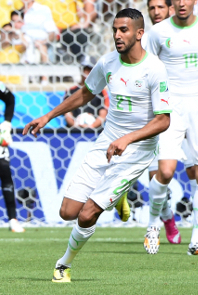
Heimir Hallgrimsson chose his words carefully after the most politically charged night of his tenure. His Republic of Ireland players, the head coach said, “showed support to the protest, they have raised awareness worldwide, not only in Ireland, on the subject” — a verdict delivered after a 3-0 win over Israel in Debrecen on Saturday in which the football, emphatic as it was, ran a distant second to everything that surrounded it.
Goals from Troy Parrott, Adam Idah and Jack Moylan inside the opening 25 minutes at the Nagyerdei Stadium gave Ireland their first points of this UEFA Nations League campaign. But the images that travelled furthest were recorded before the first whistle: Irish players in black armbands, heads bowed during Israel’s national anthem, and captain Dara O’Shea declining to exchange pennants or shake hands with his Israeli counterpart Manor Solomon.
A protest choreographed in advance, then extended past full time
None of it was improvised. UEFA and the Israeli Football Association were informed beforehand of what the Irish squad intended to do, and the gestures were carried out without sanction. Ireland’s players then declined the customary handshakes at full time as well, extending the protest beyond the pre-match ceremony in front of roughly 150 travelling Israel supporters in a near-empty Hungarian stadium.
The sporting side of the evening was over almost before it began. Parrott converted a James Abankwah cross on 13 minutes, Idah was played in by Moylan three minutes later, and Moylan himself ran into the penalty area on 25 minutes to find the bottom corner. Hallgrimsson had made five changes from Thursday’s 1-0 defeat in Pristina, where Vedat Muriqi’s 83rd-minute goal condemned Ireland to a flat opening loss and prompted the coach’s blunt assessment that Kosovo “were just better than us on the day”.
The turnaround in performance is what allowed Hallgrimsson to frame the week as evidence of character rather than distraction. “In tough times, that’s where you find your leaders, that’s where characters step up,” he said.
One withdrawal, a squad meeting, and a vote
Getting a team onto the pitch at all had required internal resolution. Goalkeeper Gavin Bazunu withdrew from the squad, the only public departure, citing a moral objection to playing against Israel. His exit triggered a genuine debate inside the camp and an emergency team meeting on Saturday, after which the remaining players voted by what was described as a significant majority to fulfil the fixture.
Hallgrimsson said he had spoken to every member of the squad individually before the game, and he drew a clear line around them afterwards, warning that pressure on the players had gone beyond the political: “When it starts to affect the players that represent the country, and their families, I think that’s a little too far.”
O’Shea pledged to donate his entire match earnings to aid for Gaza. The context was a wider mobilisation in Irish sport: more than 160 Irish athletes had signed an open letter opposing the fixture in the weeks beforehand.
The reaction from the Israeli side was predictably cold. Goalkeeper Peretz apologised for his team’s performance and attributed the Irish players’ conduct to “ignorance”, while an unnamed Israeli player said: “Obviously they hate us. We don’t like them.” The Israeli FA had already criticised earlier remarks by Hallgrimsson in language of its own, calling them “stupidity, ignorance and hypocrisy”.
Why the gestures carried institutional weight
What separates this from a spontaneous player protest is that it aligned with the position of Ireland’s own governing body. The Football Association of Ireland had already voted to call for Israel’s suspension from UEFA competitions, joining Spain, Norway and Turkey among the national associations demanding action. The grounds cited by those pressing the case include the organisation of club football in occupied Palestinian territories without the consent of the Palestinian FA, and a failure to enforce anti-racism policy.
That campaign has stalled at executive level. A UEFA executive committee majority was reported to favour suspension, but the vote was paused amid diplomatic developments, and Israel continues to compete in both UEFA and FIFA competitions. With the institutional route blocked, Saturday’s silent protest in Debrecen became the most visible expression of the Irish position — which is precisely the sense in which Hallgrimsson’s “raised awareness worldwide” should be read.
What comes next
Ireland’s immediate concern is the table. Group B3 after two rounds:
- Kosovo — 3 points, ahead of Ireland on head-to-head
- Republic of Ireland — 3 points, one win and one defeat
- Israel — 0 points from two matches
Austria visit the Aviva Stadium on Thursday, and the protest posture continues: Ireland’s players will again wear black armbands, will donate match profits to charity, and will fulfil no media duties around the game.
The return meeting with Israel on 4 October will not be played in Dublin at all. The FAI relocated its own home fixture to the TSC Arena in Backa Topola, Serbia, to be staged behind closed doors, citing operational challenges. Ireland’s squad made their statement in one empty stadium on Saturday; they will be asked to repeat it in another next week.

Sports journalist and editor at SportsPortal.net. Covers cricket, football, Formula 1, tennis, and basketball with a focus on how global sports connect with Pakistani audiences. Follows the PSL, Pakistan national cricket team, Premier League, and major international tournaments. Has reported on sports for digital audiences since 2021.
902 articles published