


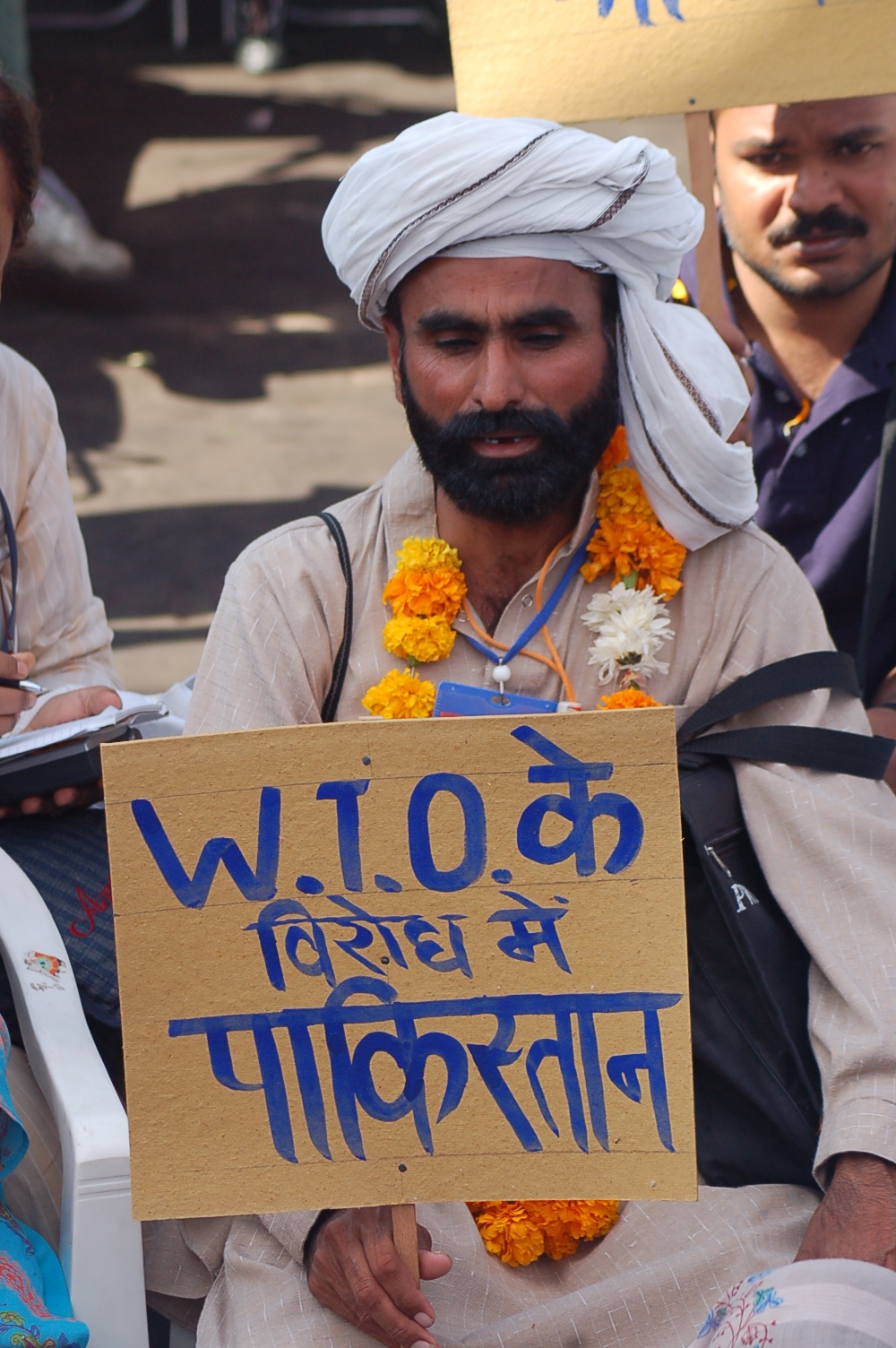
Hyundai will face organised protest in Guadalajara on Thursday, hours before South Korea meet Mexico in their Group A fixture, as campaigners turn the global spotlight of the 2026 World Cup onto the carmaker’s steel supply chain and its links to a South American mining company accused of human rights and environmental abuses.
The rally, scheduled outside Estadio Akron in the hours leading up to kick-off, will focus on Hyundai’s purchasing relationship with Ternium, the Luxembourg-headquartered steel and mining group with major operations across Mexico, Brazil and Argentina. Protesters intend to highlight the cases of two Mexican activists whose disappearances have been linked, by local campaign groups, to opposition against Ternium’s regional operations. Organisers say families of the missing will be present.
Why Hyundai is in the crosshairs
Hyundai signed on as a top-tier Fifa partner more than two decades ago and has used every World Cup cycle since 2002 to bolster its global brand. That visibility is now being used against it. A 2025 report by the environmental group Mighty Earth described Hyundai as a key buyer in what it called a “dirty steel supply chain”, naming the South Korean carmaker as a significant purchaser of iron ore processed by Ternium for use in vehicle-grade steel.
Mighty Earth’s findings, published in September 2025, accused Ternium of insufficient disclosure on emissions, water use and tailings management at sites in northern Mexico and the Brazilian state of Minas Gerais. The same report flagged Hyundai’s reliance on the supplier as inconsistent with the carmaker’s stated 2045 carbon-neutrality target. Hyundai has previously said it audits its tier-one suppliers and “expects” compliance with international human rights standards, but has not publicly addressed Ternium by name.
The Guadalajara protest is the second targeting a World Cup sponsor in the opening week of the tournament, following a smaller demonstration outside the opener in Mexico City on 11 June. Organisers in Jalisco said they expect a larger turnout, citing local frustration over water-allocation decisions in the state and broader anger at corporate sponsorship of a tournament hosted partly in regions affected by extractive industry.
The Mexican context the carmaker walked into
Mexico’s “disappeared” crisis is the backdrop the World Cup cannot escape. More than 120,000 people have been registered as missing since the government began publishing national figures, with Jalisco one of the worst-affected states. Several environmental defenders opposing mining and steel projects have been among them. The two activists at the centre of Thursday’s rally were last seen in 2023 and 2024 respectively; both had publicly campaigned against Ternium-linked operations. No charges have been brought, and Ternium has denied any involvement.
For Hyundai, the association is uncomfortable precisely because it is indirect. The company does not own Ternium, nor does it operate mines in Mexico. But sponsorship of the host nation’s biggest sporting event has placed it within reach of campaigners who argue that World Cup partners are accountable for the supply chains that fund their visibility. The same logic was used at Qatar 2022 against Adidas, Budweiser and Visa over labour conditions, and at Russia 2018 against Gazprom-linked sponsors.
What it means for Fifa, Hyundai and the tournament
Fifa has not responded publicly to the planned demonstration. Its sponsorship guidelines require partners to adhere to its human rights policy, adopted in 2017, which commits the governing body to “respect internationally recognised human rights” in its commercial relationships. Enforcement, in practice, has been limited to private dialogue, and no sponsor has been sanctioned under the framework.
Mexico face South Korea at 18:00 local time on Thursday, with both sides on three points after opening wins. The football matters: a victory for either would all but secure passage to the round of 32 in the new 48-team format. But the build-up in Guadalajara will be shaped as much by what happens outside the stadium as inside it. Mighty Earth has said it will publish a follow-up briefing on Hyundai’s 2026 steel-sourcing data later this month, and Mexican congressional deputies from Morena and Movimiento Ciudadano have requested a hearing on Ternium’s operations before the tournament ends on 19 July.
Hyundai’s brand activation in Mexico — including a fleet of more than 600 official tournament vehicles and a fan zone in Guadalajara’s Plaza de Armas — will continue as planned. The protest, organisers say, is intended not to disrupt the football but to ensure the cost of the sponsorship is properly counted.

Sports journalist and editor at SportsPortal.net. Covers cricket, football, Formula 1, tennis, and basketball with a focus on how global sports connect with Pakistani audiences. Follows the PSL, Pakistan national cricket team, Premier League, and major international tournaments. Has reported on sports for digital audiences since 2021.
820 articles published