



The Premier League remains the most-watched football league on the planet, broadcast in over 180 countries to an estimated global audience of 4.7 billion viewers. The 2025-26 season has delivered tactical innovation, dramatic title races, and relegation battles that keep fans on the edge of their seats. Whether you are a lifelong supporter or new to English football, this in-depth season guide covers every team, the key tactical trends, and where the title and relegation battles stand heading into the final stretch.
The Title Contenders: Who Can Win the Premier League?
Manchester City
Manager: Pep Guardiola
Key Players: Erling Haaland, Phil Foden, Rodri, Kevin De Bruyne
Manchester City entered the 2025-26 season seeking to reassert their dominance after a transitional period. Pep Guardiola, now in his tenth season at the Etihad, has continued to evolve his tactical approach. The central midfield axis of Rodri — the 2024 Ballon d’Or winner — remains the heartbeat of City’s possession-based system. Erling Haaland, who has scored over 100 Premier League goals faster than any player in history, continues to be the league’s most lethal finisher. City’s expected goals (xG) per match consistently ranks among the highest in Europe, typically averaging 2.1–2.4 xG per 90 minutes.
The challenge for City this season has been squad depth. The departure of several experienced figures in recent windows means Guardiola has leaned heavily on academy graduates, integrating them into the first team with varying success. Defensively, City remain elite when Rodri is available — the team’s win rate drops significantly in his absence, a pattern that has held for three consecutive seasons.
Arsenal
Manager: Mikel Arteta
Key Players: Bukayo Saka, Martin Odegaard, Declan Rice, William Saliba
Arsenal’s transformation under Mikel Arteta has been one of the Premier League’s defining stories. After finishing as runners-up in consecutive seasons, the Gunners entered 2025-26 with genuine belief they can end their Premier League title drought, which stretches back to the 2003-04 Invincibles season. Arteta’s tactical setup revolves around positional play — structured passing sequences that create overloads in wide areas before delivering into the box.
Bukayo Saka remains Arsenal’s talisman, combining elite dribbling, crossing, and finishing from the right wing. His partnership with Martin Odegaard in the right half-space has generated more chances than any other combination in the league over the past three seasons. Declan Rice provides the defensive screening that allows Arsenal’s full-backs to invert into midfield — a tactic Arteta borrowed from Guardiola’s City playbook. At the back, William Saliba has matured into one of Europe’s finest centre-backs, with aerial duel win rates consistently above 70%.
Liverpool
Manager: Arne Slot
Key Players: Mohamed Salah, Virgil van Dijk, Alexis Mac Allister, Ryan Gravenberch
The post-Klopp era at Anfield has evolved under Arne Slot, who has shifted Liverpool from Klopp’s heavy-metal pressing to a more controlled possession style while maintaining the intensity in transitions that made Liverpool so dangerous. Mohamed Salah, despite being in his thirties, continues to defy age with goal contributions that rival players a decade younger. His movement off the ball — cutting inside from the right onto his preferred left foot — remains one of the most difficult patterns to defend in world football.
Virgil van Dijk anchors the defense with commanding aerial presence and distribution that initiates Liverpool’s build-up play. In midfield, Alexis Mac Allister provides creative passing from deep, while Ryan Gravenberch has blossomed into one of the Premier League’s best box-to-box midfielders under Slot’s coaching.
The Established Mid-Table: Aiming for Europe
Aston Villa
Manager: Unai Emery
Key Players: Ollie Watkins, Emiliano Martinez, Morgan Rogers
Unai Emery has cemented Aston Villa as a regular European contender. Villa’s pressing metrics consistently rank in the league’s top five, and their ability to transition from defense to attack in under six seconds is a hallmark of Emery’s coaching. Ollie Watkins leads the line with intelligent movement and tireless pressing, while Emiliano Martinez is among the world’s best shot-stoppers, with a save percentage that regularly exceeds 75%.
Newcastle United
Manager: Eddie Howe
Key Players: Alexander Isak, Bruno Guimaraes, Anthony Gordon
Newcastle’s Saudi-backed project continues to build momentum. Alexander Isak has established himself as one of Europe’s elite strikers, combining clinical finishing with link-up play that allows Anthony Gordon and the wingers to exploit spaces behind defenders. Bruno Guimaraes dictates tempo from central midfield, completing an average of 55+ passes per match with over 90% accuracy.
Chelsea
Manager: Enzo Maresca
Key Players: Cole Palmer, Moises Caicedo, Nicolas Jackson
Chelsea’s rebuilding project under the Clearlake-Boehly ownership has begun producing results. Cole Palmer has become one of the Premier League’s most creative players, regularly ranking among the top assisters and chance creators. Enzo Maresca’s system emphasizes patient build-up with an inverted full-back structure that gives Chelsea numerical superiority in midfield.
Tottenham Hotspur
Manager: Ange Postecoglou
Key Players: Son Heung-min, James Maddison, Cristian Romero
Ange Postecoglou’s commitment to attacking football has made Spurs one of the most entertaining teams to watch — and occasionally one of the most frustrating. Their high defensive line creates chances but also leaves them vulnerable on the counter. Son Heung-min, the club’s all-time leading Premier League goalscorer, continues to deliver crucial goals.
Manchester United
Manager: Ruben Amorim
Key Players: Bruno Fernandes, Rasmus Hojlund, Kobbie Mainoo
Ruben Amorim’s appointment brought a tactical reset to Old Trafford, with the Portuguese manager implementing his preferred 3-4-3 formation. Bruno Fernandes remains the creative fulcrum, while Kobbie Mainoo has emerged as one of the brightest young midfield talents in Europe. Rasmus Hojlund has grown into the lone striker role with improved hold-up play and finishing.
The Mid-Table Pack
Brighton & Hove Albion
Brighton continue to punch above their weight through data-driven recruitment and progressive coaching. Their ability to develop and sell players at profit — the departures of Caicedo, Mac Allister, and Bissouma generated over £200 million — funds continued competitiveness.
Bournemouth
Andoni Iraola has elevated Bournemouth into a legitimate top-half side. Their pressing intensity, measured by PPDA (passes per defensive action), often rivals the top six, and their counter-attacking efficiency has yielded impressive results against the league’s best teams.
West Ham United
West Ham continue to seek consistency under their current management setup. The club’s investment in squad depth has improved their ability to compete across multiple competitions, though defensive solidity remains a work in progress.
Fulham
Marco Silva’s Fulham have established themselves as a stable, well-coached Premier League side. Their ability to retain possession and control matches has improved season on season, with Craven Cottage becoming a difficult ground for visitors.
Crystal Palace
Crystal Palace’s transition continues under new leadership. The development of young talent from their academy — historically one of England’s best producers of professional footballers — provides optimism for the future.
Brentford
Thomas Frank’s Brentford remain the model for how a promoted club can establish itself in the Premier League. Their set-piece coaching is among the best in Europe, with Brentford consistently scoring from corners and free kicks at rates that rival clubs with far greater budgets.
Wolves
Wolverhampton Wanderers’ Portuguese connections continue to influence their recruitment and playing style. Consistency has been the challenge, with excellent performances against top sides often undermined by dropped points against lower-ranked opponents.
Nottingham Forest
Forest’s return to the Premier League has stabilized after early turbulence. Nuno Espirito Santo’s defensive organization has provided a platform, with the team’s counter-attacking speed being their primary weapon against stronger opponents.
The Relegation Battle
Everton
Everton’s financial challenges have made squad building difficult. Points deductions in recent seasons and ownership uncertainty have created instability, though the passionate Goodison Park faithful continue to provide a formidable home atmosphere that has salvaged crucial results.
Leicester City
Leicester’s return to the top flight after their promotion has been a battle for survival. The financial constraints of their relegation and return have limited recruitment, and adapting to the Premier League’s intensity has been an ongoing challenge.
Ipswich Town
Kieran McKenna’s Ipswich have brought attractive football to the Premier League, but converting that into results has proved difficult at times. Their ability to retain possession is notable — they regularly exceed 55% possession even against top-six sides — but the quality gap in both penalty boxes has been the differentiator.
Southampton
Southampton’s yoyo between divisions continues. Their academy remains one of England’s finest production lines, having developed the likes of Gareth Bale, Theo Walcott, Adam Lallana, and Luke Shaw in previous generations, but translating youth development into Premier League survival remains the challenge.
Tactical Trends Defining the 2025-26 Season
1. The Inverted Full-Back Revolution
What started as Guardiola’s innovation has become league-wide. At least 12 Premier League teams now regularly use inverted full-backs — defenders who tuck into midfield when their team has possession, creating numerical advantages in central areas. This shift has changed recruitment profiles; clubs now seek full-backs with central midfield skills rather than pure touchline runners.
2. High Pressing Metrics
PPDA (Passes Per Defensive Action) has become a standard metric for evaluating team pressing intensity. The Premier League average has decreased from around 11.5 PPDA in 2020 to approximately 9.8 in 2025-26, indicating that teams are pressing higher and more aggressively than ever. Arsenal, Liverpool, and Bournemouth lead the league in pressing intensity.
3. Set-Piece Specialization
Following the success of teams like Brentford and Argentina’s 2022 World Cup campaign, dedicated set-piece coaches are now standard at Premier League clubs. Set pieces account for approximately 25-30% of all Premier League goals, making them a crucial area of tactical preparation. Arsenal’s near-post corner routines and Liverpool’s short-corner variations have been particularly effective this season.
4. Expected Goals (xG) and Data-Driven Decisions
Every Premier League club now employs data analytics departments, with xG (expected goals) and xGA (expected goals against) becoming mainstream fan conversation. The gap between actual goals and xG — known as “overperformance” or “underperformance” — helps identify teams likely to improve or regress. Historically, teams that significantly outperform their xG tend to regress the following season.
5. Goalkeeper as Playmaker
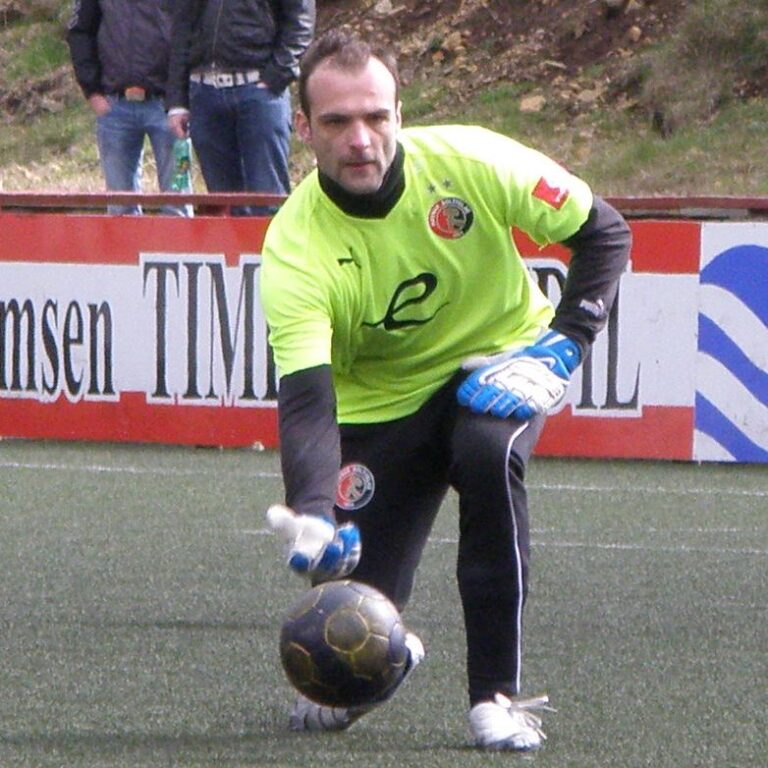
The modern Premier League goalkeeper is expected to be the first line of attack. Pass completion rates among goalkeepers have risen dramatically, with Ederson (Man City), Alisson (Liverpool), and David Raya (Arsenal) routinely completing over 85% of their passes, including long-range distribution that bypasses the opposition press.
Key Fixtures and What to Watch
As the season enters its decisive final phase, several fixtures will shape the title race, European qualification, and relegation outcomes. The density of the fixture schedule — with Champions League, Europa League, and domestic cups running simultaneously — tests squad depth like no other league in Europe.
For the title contenders, head-to-head matches carry outsized importance. Historically, the team that accumulates the most points in “Big Six” matches tends to win the title. The psychological momentum from these fixtures often defines the run-in.
Stay updated with all Premier League action through our live scores page, and explore comprehensive coverage in our football section for match previews, tactical analysis, and transfer updates throughout the season.

The SportsPortal Editorial team brings comprehensive sports coverage across cricket, football, tennis, Formula 1, and basketball. Our reporters follow every major league, tournament, and breaking story worldwide.
142 articles published