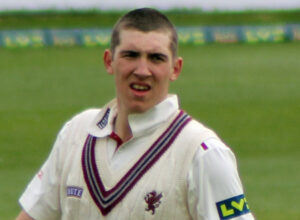


Brendon McCullum cut a noticeably subdued figure at Headingley on Monday as he sidestepped every question about Ben Stokes’ England captaincy while repeatedly returning to one phrase: “worry and concern.” The head coach, addressing media for the first time since Stokes limped out of the second Test against India with a recurrence of the hamstring tear that wrecked his winter, used the word “worry” seven times across a 14-minute briefing. He used the word “captain” once, and only to deflect.
Stokes, 34, has now suffered three significant hamstring injuries in 18 months, the latest forcing him off after just 11 overs of his second spell on day three at Edgbaston. England lost that Test by 124 runs, fell 1-0 behind in the five-match series, and arrived in Leeds without their talisman for the first time in a home summer since 2020. McCullum’s refusal to commit to Stokes leading the side at Headingley on Thursday — or beyond — has detonated a debate the coach himself appears unwilling to enter.
A coach choosing his words, and his silences
“I’m worried about him as a bloke first, as a cricketer second, and as a captain a distant third,” McCullum said, leaning forward in his chair. “He’s given everything to this team for a long, long time. Right now my concern is for Ben, not for the armband.” Pressed four times on whether Stokes would lead England in the third Test, McCullum offered variations of the same answer: it was too early, the medical staff were still assessing, the player himself needed time.
That evasion is not how this coaching ticket usually operates. Since taking charge in May 2022, McCullum and Stokes have run England’s red-ball setup as an unapologetically transparent partnership — quick to announce XIs, quicker to publicly back individuals. The decision to withhold even a basic update on Stokes’ availability, just 72 hours before a Test that could decide the series, is a striking departure. So is the language. “Worry” is not a word McCullum has previously used about any of his players in a public setting.
The body keeping pace with the legend
Stokes has bowled 187 first-class overs in 2026, a workload that already exceeds the 152 he managed across the entirety of 2024. He has taken 24 wickets at 21.4 this calendar year — numbers that, in isolation, suggest a frontline seamer at his peak. The hamstring, twice operated on since November 2024, tells a different story. England’s medical team flagged the tear sustained at Edgbaston as a grade-two strain, which historically rules players out for four to six weeks. The remaining Tests at Headingley, Old Trafford and The Oval all fall inside that window.
Harry Brook, who deputised for Stokes during the 50-over series against West Indies last summer, is the obvious interim successor. Ollie Pope, vice-captain on paper, captained against Sri Lanka in 2024 with mixed reviews and a 1-1 series draw. Neither solution is straightforward. Brook is 26 and has played only 27 Tests; Pope’s own batting form has wobbled, with three single-figure scores in his last five innings. England’s selectors face the kind of succession question they have spent four years insisting did not exist.
What changes if Stokes cannot continue
The consequences extend beyond personnel. Stokes is the architect of Bazball’s tactical signature — the long mid-off, the early bouncer ploy, the willingness to declare 100 runs earlier than convention allows. McCullum sets the philosophy; Stokes operationalises it from the field. England have lost only two of the 31 Tests in which Stokes has captained and bowled more than 10 overs. They have lost five of the 11 in which he has captained but not bowled.
The numbers point to a deeper structural risk. Consider:
- England’s seam attack averages 28.4 with Stokes available as a fourth option; 34.1 without him.
- Joe Root’s batting average rises by nine runs when Stokes captains rather than bats above him.
- Since 2022, England have won 17 Tests batting fourth — Stokes has been at the crease for the winning runs in 11 of them.
The Ashes begin in Perth on 21 November. McCullum knows, even if he will not say it, that the choice facing England is no longer about Headingley. It is about whether Stokes can be protected, rebuilt and delivered to Australia in any meaningful capacity — and whether, in the meantime, someone else must learn to lead a team that has been moulded entirely around one man. “We’ll get him right,” McCullum said, finally, as he rose to leave. “We have to.”

Sports journalist and editor at SportsPortal.net. Covers cricket, football, Formula 1, tennis, and basketball with a focus on how global sports connect with Pakistani audiences. Follows the PSL, Pakistan national cricket team, Premier League, and major international tournaments. Has reported on sports for digital audiences since 2021.
815 articles published