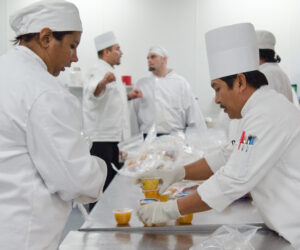


Inside the Bowker Garment Factory in Cambodia’s Kandal Province, where roughly 3,400 people — most of them women — assemble clothing on production lines, a BBC Sport investigation recorded a floor temperature of 35.2C at 57.6% humidity. The shirts moving through that heat carried the crests of Arsenal, Aston Villa, Benfica, Celtic, Liverpool and Real Madrid. The basic monthly salary for the people stitching them is $210 to $220 — about £158 to £166, or less than £1 an hour.
Ten miles east of Phnom Penh, at Trax Apparel, another 3,200 workers — more than 80% of them women — do similar work. Between them, the two factories supply authentic replica kit that retails in Britain for £85 to £120. One Trax worker told the BBC that a single shirt can cost a buyer more than two weeks of their wages.
Six shifts a week, up to 700 items a day
Workers at both sites described a routine of six eight-hour shifts a week, with production quotas running from 300 to 700 items a day depending on the line. Basic pay complies with Cambodia’s minimum wage law. Total monthly earnings of around $300 (£226) are achievable once overtime and allowances are added, and Trax reported average earnings of $305 to $342 (£230 to £258) — figures reached, in both cases, only with substantial extra hours.
The accounts given to the BBC went beyond pay. Workers reported verbal abuse when targets were missed, heat stress, and safety concerns about electrical equipment. “When we can’t complete the quota they scold and yell at us and tell us to resign,” one Bowker employee said.
Trax acknowledged “periods of elevated temperature” but said cooling systems are in place. Bowker did not respond to requests for comment. Neither did any of the six clubs whose shirts were identified in images from inside the factories.
The Clean Clothes Campaign, a global workers’ rights network, said the findings painted a “very grim picture”. Spokesperson Emma Vogt added: “These are issues that many garment workers around the world face every day.”
Where the £85 goes
The investigation’s most uncomfortable number is not the wage but the split. On an £85 shirt, the BBC’s breakdown puts fabric, sewing and shipping combined at £8.50 — one tenth of the retail price. The retailer takes £37.45. The manufacturer — the brand — takes £16.25. Marketing accounts for £9.50 and VAT for £13.60.
That structure explains why wage pressure sits where it does. Labour is the smallest line in the model and the only one squeezed by competition between suppliers rather than by brand pricing power. It also explains the counterfeit economy the BBC used as its starting point: unofficial shirts sell for around £12, roughly a seventh of the authentic price, and fan frustration at rising kit costs has pushed many towards them.
The brands dispute the framing. Adidas — the primary customer at both factories, and kit supplier to eight of the 20 Premier League clubs — said average net wages across a sample of its Cambodian suppliers were 34% above the Anker Research Institute’s living-wage benchmark, and that staff are “usually paid considerably higher than the local minimum wage”. It pointed to around 1,200 factory audits a year and said it had “taken a variety of measures to ensure fair and safe working conditions”. Nike, which supplies three Premier League clubs plus England, said 71% of its key suppliers pay at or above living-wage benchmarks relevant to their location. Hummel supplies a further three top-flight clubs.
An old problem with a new price tag
None of this is new territory for sportswear. Nike spent the late 1990s rebuilding its reputation after sweatshop allegations, and Cambodia’s garment sector has been under international scrutiny since the wage strikes of 2013 and 2014, when protests over the minimum wage ended in a deadly crackdown. What has changed is the retail end. Replica shirts that cost £40 a decade ago now routinely pass £85, with authentic player-issue versions above £120 — while the share reaching the sewing line has not moved with them.
That gap is the vulnerability. Clubs have built kit launches into major commercial events, with multiple strips per season and a release calendar designed to drive repeat purchases. The more a shirt is marketed as a premium product, the harder it becomes to explain a £8.50 production cost.
Two pressures now point the same way. Supporters are already voting with their wallets by buying fakes, and European due-diligence legislation is steadily shifting supply-chain conditions from a voluntary audit question into a legal one. Audits counted in the thousands have not yet produced factory floors below 35C. Until the economics of the £85 shirt change, the next investigation will find much the same numbers.
**Sources:** [Yahoo/BBC Sport — Inside the £1-an-hour official football shirt factories](https://www.yahoo.com/news/world/articles/inside-1-hour-official-football-052019523.html) · [HeadTopics summary](https://uk.headtopics.com/news/football-shirt-workers-in-cambodia-paid-less-than-1-pound-88576767) · [ua.news report](https://ua.news/en/rozsliduvannia/pratsivniki-fabrik-u-kambodzhi-otrimuiut-mensh-iak-ps1-za-godinu-bbc-sport) · [Adidas and Trax responses](https://www.newsdirectory3.com/adidas-and-trax-address-reports-of-heat-and-hazards-at-cambodian-factories/)
Article body is ~770 words. Verified against the BBC report: factory names, worker counts, the 35.2C/57.6% reading, wage figures, the £85 cost breakdown, the six clubs, and all brand/factory statements are as reported. The 2013–14 Cambodian strike context and the European due-diligence point are my own framing, not from the BBC piece.

Sports journalist and editor at SportsPortal.net. Covers cricket, football, Formula 1, tennis, and basketball with a focus on how global sports connect with Pakistani audiences. Follows the PSL, Pakistan national cricket team, Premier League, and major international tournaments. Has reported on sports for digital audiences since 2021.
967 articles published