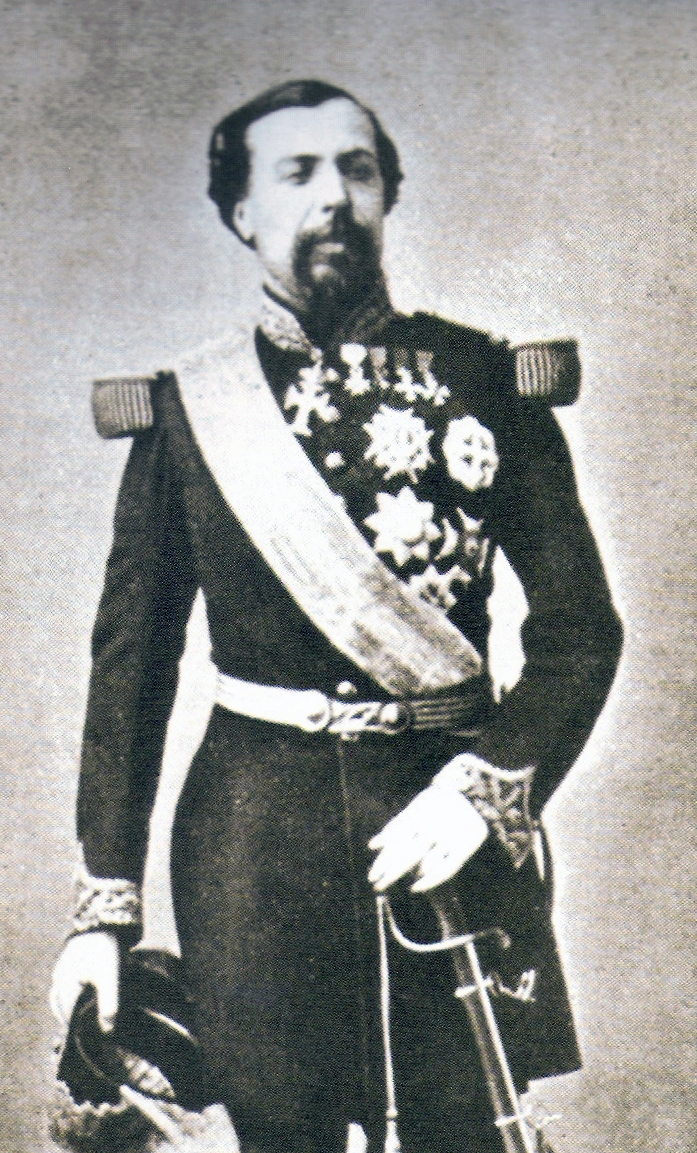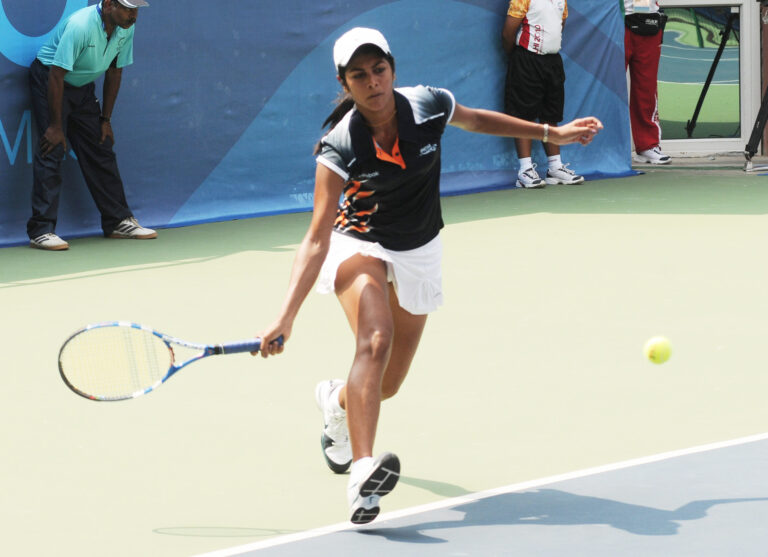

Andre Agassi has told Emma Raducanu to stop measuring herself by results and to “be comfortable in your own identity inside of that — not what people say”, offering counsel to the 2021 US Open champion at the lowest ebb of her professional career.
The eight-time Grand Slam champion, in London this week to captain Team World at the Laver Cup at The O2 from 25-27 September, was responding to Raducanu’s disclosure that she has been reading Open, his 2009 autobiography, during a season wrecked by injury. The 23-year-old Briton is ranked 98th in the world, has not played a competitive match since June, and missed both Wimbledon and the US Open with a stress fracture in her lower right leg.
“You have to learn to be 100% of whatever percent you’re at,” Agassi said, framing the task as being the best version of yourself on a daily basis rather than chasing an outcome.
The passage that spoke to her
Raducanu, speaking in an interview with Uniqlo — the brand both players represent — was specific about what drew her in. It was not the trophies.
“I was especially intrigued by the passage where he got out of his slump in the late 1990s by creating his own training regimen and finding his way back to the top,” she said. “It speaks in depth about his early successes and the lows he reached, perhaps as a result of them. A lot of it was so relatable.”
That last sentence carries the weight. Open is a book about a player who won the biggest prizes in the sport early, and then spent years working out whether he wanted any of it. Raducanu won the 2021 US Open as a qualifier ranked 150th in the world, at 18, without dropping a set in 10 matches — the first qualifier in the Open era to win a major. She has not reached a Grand Slam quarter-final since.
Agassi, told that his memoir had found a reader 17 years after publication, was measured. “If one person read it and it gave them hope, some tools to understand that they’re not alone, they can figure it out and get to a healthier place without having to direct their frustrations at the game of tennis, then it was a success for me.”
Why the Agassi template actually fits
Comparisons between champions are usually lazy. This one is not.
In November 1997, Agassi’s ranking bottomed out at 141st. He had gone four years without a major, his marriage and his relationship with the sport were both in pieces, and he rebuilt through Challenger-level events and a self-designed conditioning programme with trainer Gil Reyes. Eighteen months later he won the 1999 French Open to complete the career Grand Slam, and finished that year as world No. 1 at 29. He won three more majors after turning 30.
The structural parallels to Raducanu’s position are close enough to be useful:
- A collapse in ranking driven by circumstance rather than a loss of ability
- Early, overwhelming success that arrived before the professional infrastructure to sustain it
- A body that needed rebuilding before the tennis could be addressed
- A long run of coaching changes before settling on people who knew her
On that last point, Raducanu is again working with Andrew Richardson, the coach who guided her through qualifying and on to the title at Flushing Meadows five years ago — after a period in which she worked through a succession of short-lived partnerships.
The distortion Agassi never had to survive
Agassi was careful to acknowledge that his own escape route no longer exists. “Back in my day, I could just put down the paper,” he said, noting that it is far harder for players now to avoid the noise.
That is the genuine analytical gap between the two careers. Agassi could physically remove the commentary from his life. Raducanu’s every withdrawal, every coaching split and every first-round exit is metabolised in real time by an audience that has been waiting five years for a sequel to a single fortnight in New York. His advice — locate your identity inside the daily work, not inside the reaction — is aimed squarely at that problem.
What happens next
The immediate picture is not encouraging. Raducanu’s 2026 produced two WTA finals, at the Transylvania Open and at Queen’s Club, where she lost to Donna Vekic — her strongest grass-court run since 2021. It also produced a foot injury, a post-viral illness that cost roughly two and a half months, and a grade four stress fracture carrying an eight-to-16-week recovery window.
A return on the Asian swing, potentially at the Wuhan Open, would give her a handful of matches before the season closes. It will not be enough to defend her place inside the top 100, and she is likely to spend the early part of 2027 dependent on protected rankings and wildcards.
That, in the end, is why Agassi’s framing matters more than any draw. He fell to 141st and came back. The route was not a tournament result; it was a decision about what to measure. Raducanu has read the book. The harder part is the eighteen months that follow.
Ahmad Ali is Sports Editor at SportsPortal.net

Sports journalist and editor at SportsPortal.net. Covers cricket, football, Formula 1, tennis, and basketball with a focus on how global sports connect with Pakistani audiences. Follows the PSL, Pakistan national cricket team, Premier League, and major international tournaments. Has reported on sports for digital audiences since 2021.
877 articles published