

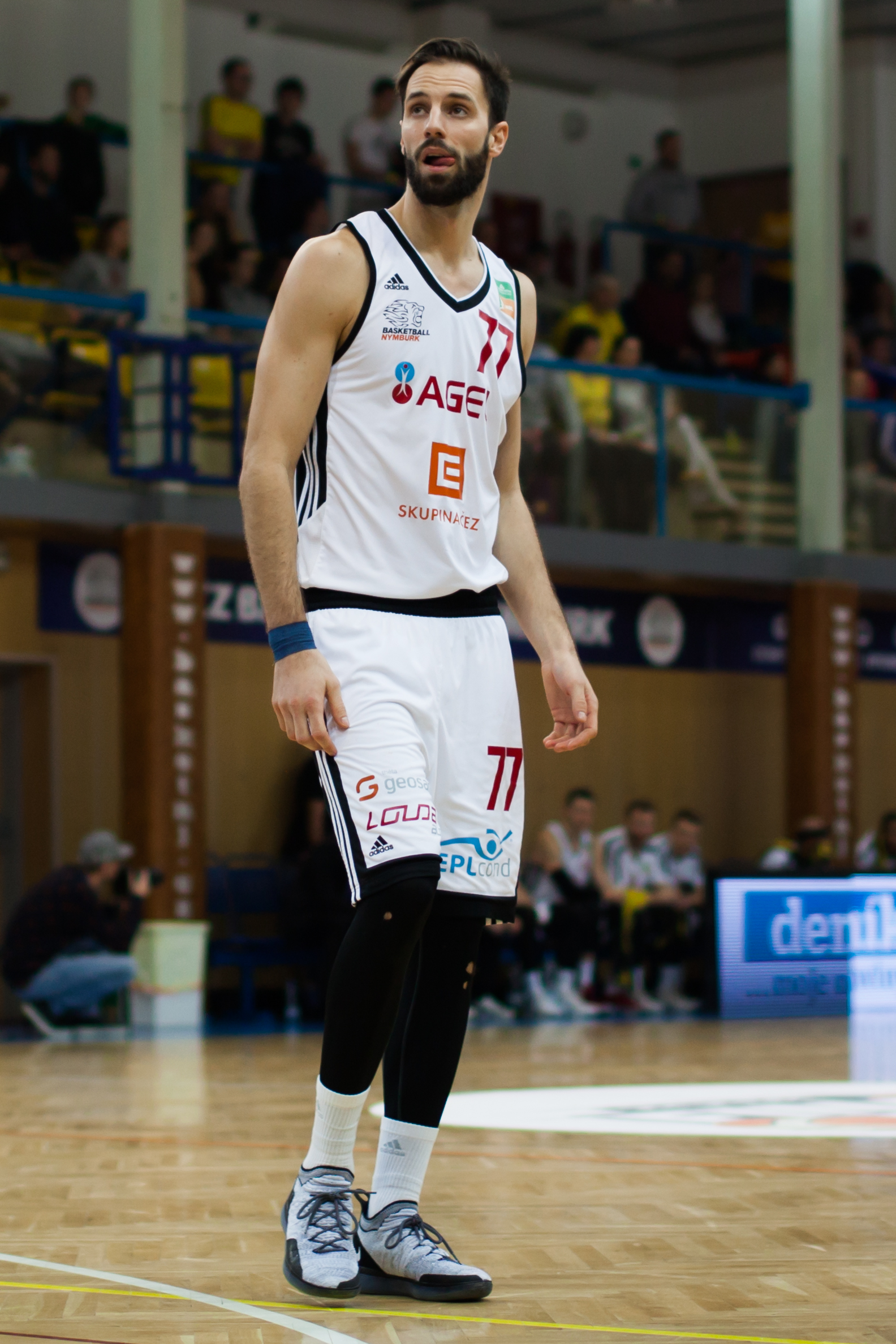
Abingdon Eagles, a basketball club without a permanent venue, has grown into the second-largest grassroots basketball organisation in the United Kingdom, fielding roughly 20 teams across age groups while shuttling players, coaches and equipment between six different sites scattered across Oxfordshire. The club has no clubhouse, no dedicated court and no fixed training base, yet trails only one other community programme nationally in registered team count — a contradiction that has become the defining feature of basketball’s fastest-growing region outside London.
Founded as a small junior outfit two decades ago, the Eagles now run sessions at school sports halls and leisure centres in Abingdon, Didcot, Wantage and the southern fringes of Oxford. Some squads train on Tuesday evenings at one venue, then play home fixtures forty minutes away at another. Coaches drive between gyms carrying portable hoops, scoreboards and bibs in the boots of their own cars. Club officials say more than 300 children and teenagers are now registered, with waiting lists for under-12 and under-14 age groups stretching past 50 names.
A club built out of car boots
The logistical reality is unusual even by the modest standards of British basketball. Most clubs of comparable size — Reading Rockets, Manchester Magic, Newham — operate from a single anchor venue with permanent court markings and stored equipment. The Eagles do not. A typical Saturday sees the under-16 boys playing a league fixture at Larkmead School, the under-14 girls training simultaneously at Fitzharrys, and a senior development squad warming up at White Horse Leisure Centre, three miles away.
Club chair Mark Sansom told local reporters that volunteer hours absorbed by venue coordination now outstrip those spent on coaching. “We have a WhatsApp group purely for who is unlocking which hall at what time,” he said. “Last season we had a fixture moved three times in a fortnight because the host venue was booked for a wedding fair, then a flu vaccination clinic, then a film shoot.” Parents have begun car-sharing schemes to ferry younger players between sites; some families spend more time driving to training than the children spend on court.
The numbers tell the story of the demand. Basketball England registration data shows participation in Oxfordshire has more than doubled since 2021, with the Eagles absorbing the bulk of new sign-ups. The club’s senior men’s team plays in National League Division 3 South; its junior programme feeds players into the regional academy network in Reading and the East Midlands Performance Programme based in Loughborough.
Why Abingdon, and why now
The Eagles’ rise tracks a wider shift in British basketball. National participation surveys from Sport England recorded basketball as the fastest-growing team sport among 11-to-15-year-olds in 2024 and 2025, overtaking rugby union for the first time. The sport’s appeal in market towns and commuter belts has been amplified by NBA streaming on UK platforms, the visibility of British players such as OG Anunoby and the post-pandemic decline of contact sports in school PE curriculums.
Abingdon sits in a sweet spot. The town’s secondary schools have small but functional sports halls. The population skews young, with new housing developments at Great Western Park and North Abingdon adding several thousand families since 2018. Yet the county has not built a dedicated basketball facility in three decades. The nearest full-sized competition venue is at Oxford Brookes University, a 25-minute drive in light traffic and rarely available outside term time.
- Six training venues used weekly across Oxfordshire
- Roughly 20 registered teams from under-10s to senior National League
- Waiting lists exceeding 50 children in two junior age groups
- Senior men’s squad competes in National League Division 3 South
- Participation in the county has more than doubled since 2021
The funding gap, and what comes next
The Eagles have submitted a feasibility study to Vale of White Horse District Council for a purpose-built community basketball facility on land near the existing Tilsley Park sports complex. The proposed two-court venue would cost an estimated £4.8m. Roughly £600,000 has been raised through community fundraising, sponsorship from local businesses and a contribution from Basketball England’s facilities fund. The funding gap remains substantial, and council officers have said any decision will depend on whether Sport England commits matched funding in its next investment cycle, expected to be announced in the autumn.
The wider question is whether British basketball’s grassroots boom can be sustained without infrastructure that matches it. The Eagles have demonstrated that demand exists in places that historically belonged to rugby and football. What they have not yet proved — and what no club at their scale in the UK has proved — is whether a sport can keep growing indefinitely from the back of a coach’s car. The next 12 months, with funding decisions pending and another wave of junior registrations expected in September, will test the limits of that model.

Sports journalist and editor at SportsPortal.net. Covers cricket, football, Formula 1, tennis, and basketball with a focus on how global sports connect with Pakistani audiences. Follows the PSL, Pakistan national cricket team, Premier League, and major international tournaments. Has reported on sports for digital audiences since 2021.
1050 articles published