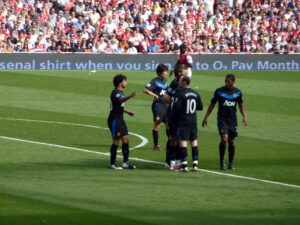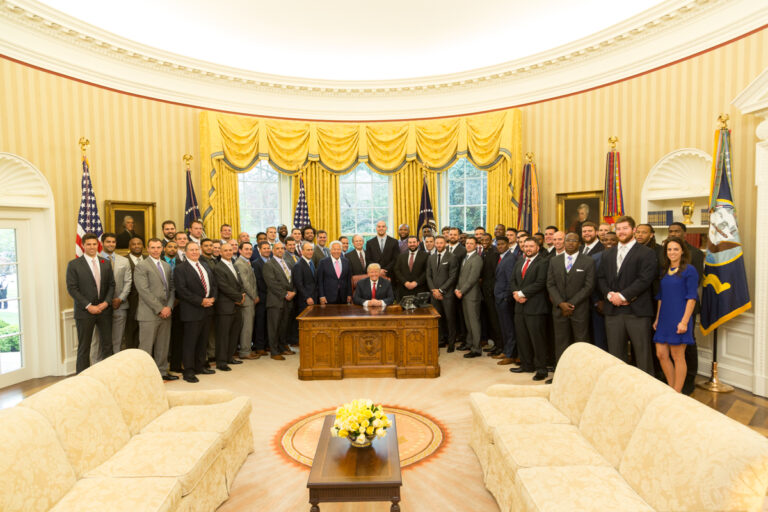


The boos cascaded down from the stands at MetLife Stadium just past the 30th minute of Argentina’s group-stage win over Iran on Tuesday, drowning out the stadium PA as a 90-second Coca-Cola advertisement played on the giant screens during the mandatory hydration break. By the time the players returned to the pitch, FIFA had banked an estimated $2.8 million from that single interruption. Across the tournament’s first 28 matches, in-play break advertising has generated an estimated $250 million in incremental revenue — a figure that has reframed the debate about whether the World Cup’s most jeered innovation is here for good.
How the break-ad model actually works
The mechanic is simple. When the wet-bulb globe temperature exceeds 32C, referees are obliged under FIFA’s 2023 protocol to pause play for a three-minute cooling break in each half. In the United States, Mexico and Canada this summer, 41 of the 48 group-stage venues have triggered at least one mandated break, with Dallas, Houston and Monterrey averaging four per match. FIFA’s commercial unit, working with broadcast partner Infront, sells those windows as discrete 60 to 90-second units to tier-one sponsors. Unlike a traditional television commercial, the spot plays inside the stadium and on the world feed simultaneously — a captive audience of roughly 2.1 billion viewers across the opening fortnight.
The pricing reflects that reach. A single hydration-break slot during Argentina-Iran cost Visa $3.1 million, according to figures shared with industry publication SportBusiness. England’s opener against Serbia in Atlanta carried a $4.4 million rate card. By comparison, a 30-second spot during the 2022 final in Qatar — broadcast only, no stadium component — sold for $2.7 million.
What other competitions have tried
FIFA did not invent the format. The Indian Premier League pioneered “strategic timeouts” in 2009, monetising two and a half minutes of dead air per innings and adding an estimated $90 million to its annual rights value within three seasons. The NBA’s mandated timeout structure, sold in eight-second bumpers, underwrites roughly 18 per cent of the league’s domestic broadcast deal. Rugby’s Six Nations trialled in-play sponsor stings during conversions in 2024, abandoning the experiment after a supporter survey returned an 81 per cent disapproval rating.
Football has historically resisted. UEFA refused a 2018 proposal from a consortium of Champions League sponsors to introduce mid-half break advertising, with then-president Aleksander Ceferin describing the idea as “American thinking that does not belong in our game”. The Premier League’s broadcast committee rejected a similar approach in 2022. What changed in 2026 was the venue. Hosting in three countries where commercial breaks are baked into the sporting culture — and where stadiums were built with the digital infrastructure to deliver synchronised in-bowl content — gave FIFA a permission structure UEFA never had.
- $250m: estimated incremental revenue across the first 28 matches
- $4.4m: peak rate card, England vs Serbia in Atlanta
- 32C: wet-bulb threshold triggering mandatory hydration breaks
- 41 of 48: group-stage venues that have triggered at least one break
- 2.1bn: combined audience for break-ad delivery in opening fortnight
The fight over what happens next
The supporter response has been pointed. Football Supporters Europe issued a statement on Monday calling the breaks “a corporate land grab dressed up as player welfare”, noting that the same heat conditions in domestic European competitions trigger water breaks without advertising. A YouGov poll of 4,200 fans across the three host nations returned 67 per cent opposition to the format continuing beyond this tournament. Inside the game, opposition has been quieter but real. Manchester City manager Pep Guardiola, asked about the breaks last week, said only that “the rhythm is the soul of football, and the soul is being sold”.
FIFA president Gianni Infantino has been less coy. Speaking in New York on Wednesday, he confirmed the governing body is “in advanced conversations” with the Club World Cup commercial team about extending the model to the expanded 2029 edition, and that the 2027 Women’s World Cup in Brazil would carry “an evolved version” of the format. The economics suggest he will get his way. The $250 million already booked represents roughly 11 per cent of FIFA’s projected tournament revenue — money the federation has earmarked for the global solidarity fund that subsidises the smaller national associations. That makes opposition not just commercially inconvenient but politically awkward. The boos at MetLife may keep coming. The breaks are not going anywhere.

Sports journalist and editor at SportsPortal.net. Covers cricket, football, Formula 1, tennis, and basketball with a focus on how global sports connect with Pakistani audiences. Follows the PSL, Pakistan national cricket team, Premier League, and major international tournaments. Has reported on sports for digital audiences since 2021.
834 articles published